
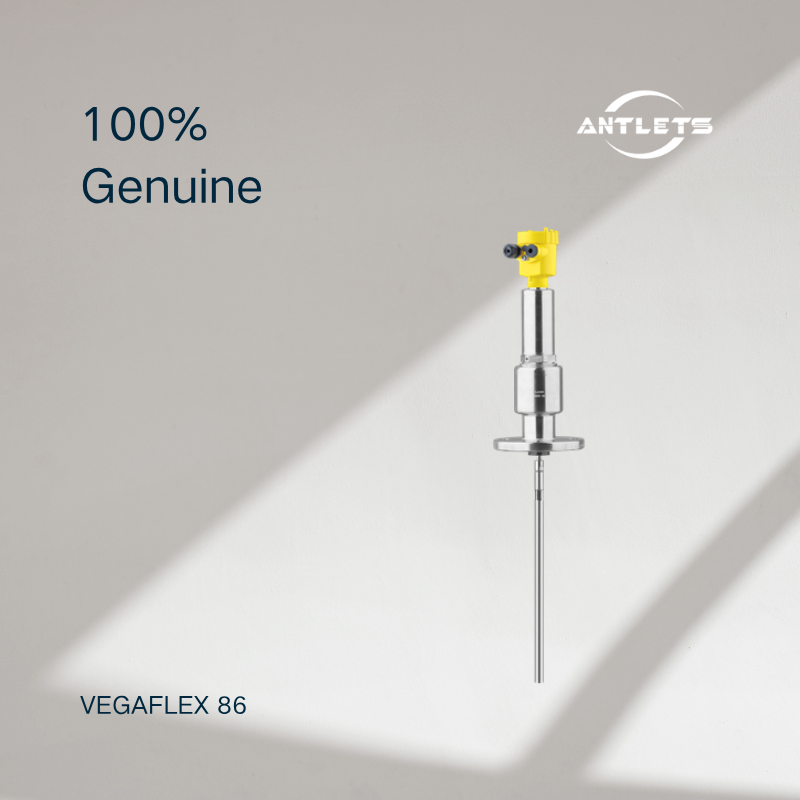
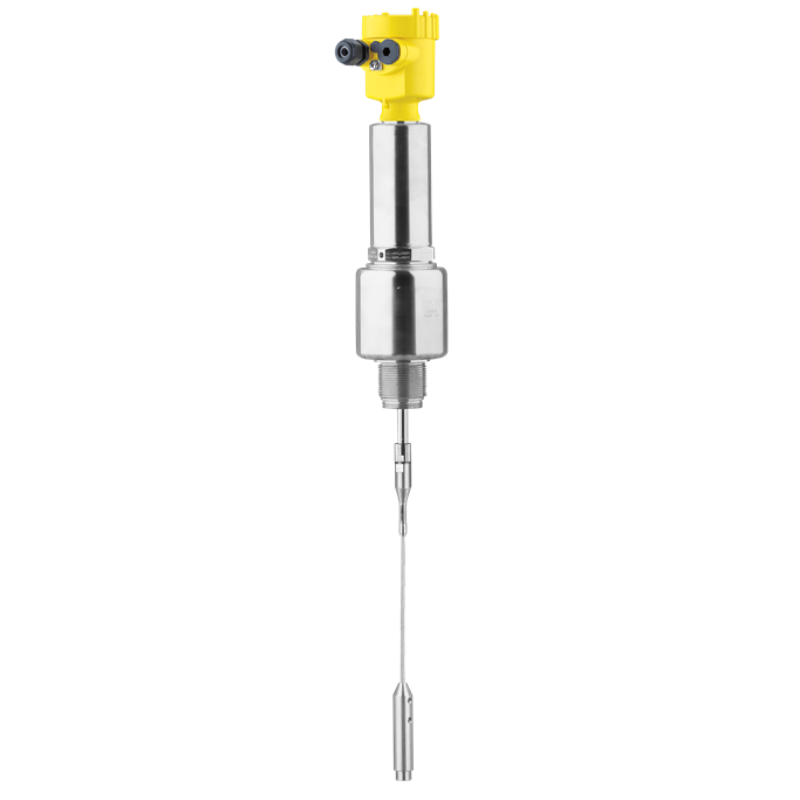
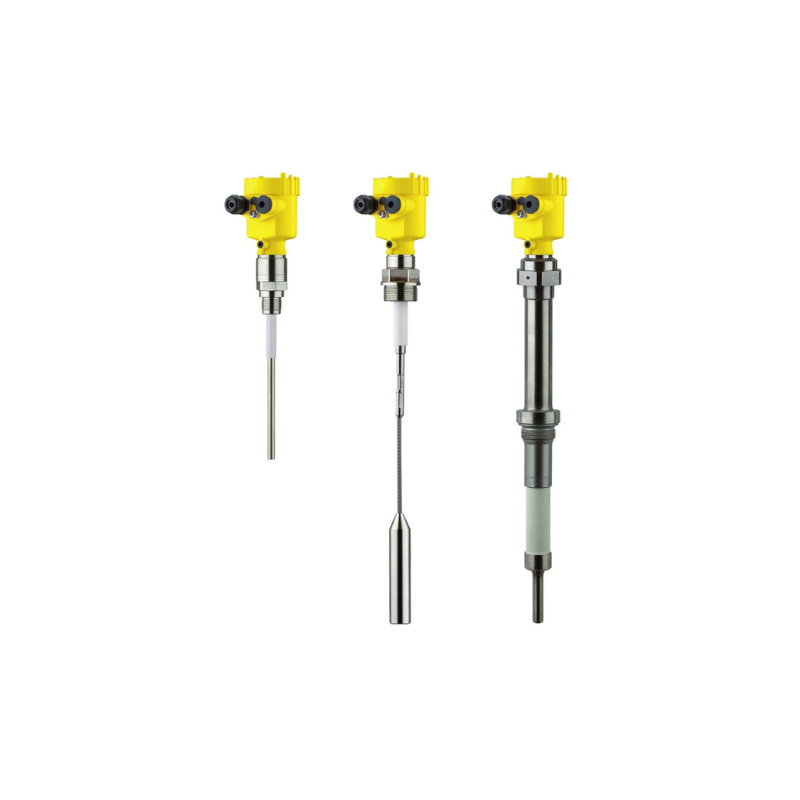
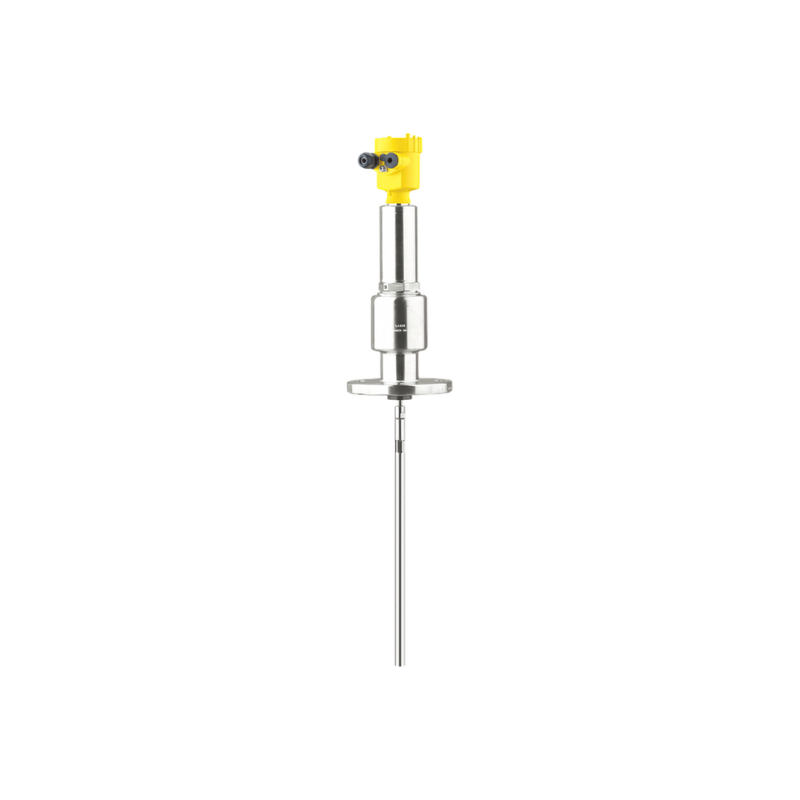
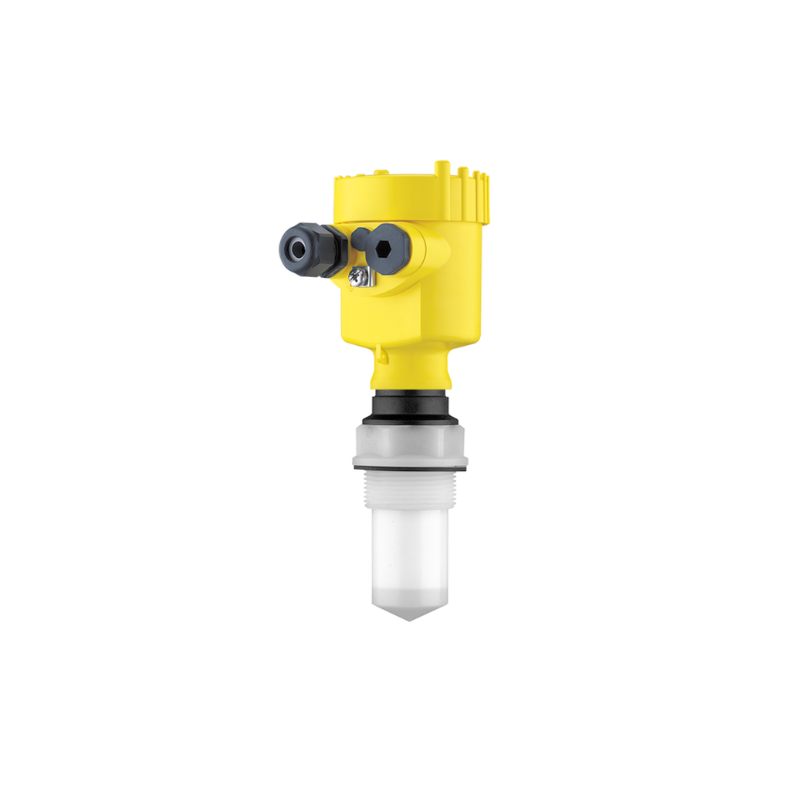
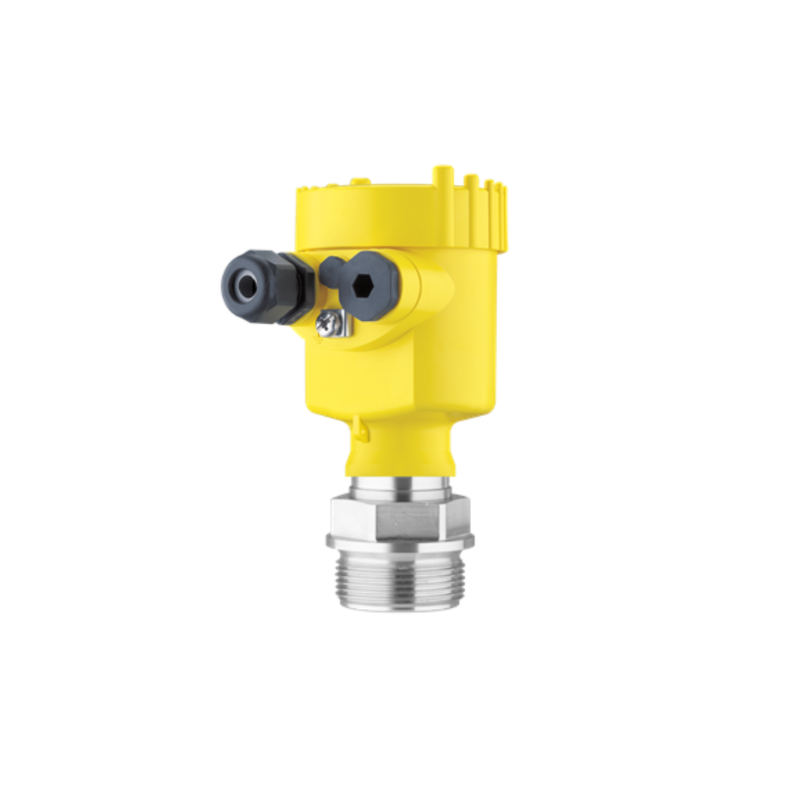
VEGAFLEX 86 TDR sensor for continuous level and interface measurement of liquids
$1,600.00
The VEGA VEGAFLEX 86 is a robust TDR guided wave radar level sensor designed for continuous level and interface measurement of liquids even under extreme industrial conditions. It uses guided microwave pulses along a probe to measure distance and detect interfaces such as oil/water separation layers. This sensor performs reliably in tanks of all types, under high pressure and temperature.
Because it operates independently of media properties such as density, dielectric constant and foam buildup, VEGAFLEX 86 ensures precise measurement in demanding environments including saturated steam and aggressive chemical media.
Not Recommended For:
• Simple local level switches in low‑demand applications
• Gas‑only applications without a clear liquid surface
Product catalog-VEGAFLEX 86
Product information-VEGAFLEX 81, 83,86
Product informationVEGAFLEX 82, 86
Specification sheet-VEGAFLEX 86
Operating instructions VEGAFLEX 83
Selection Notes
• Confirm your required measuring range; VEGAFLEX 86 supports very long distances up to 75 m.
• Verify the process temperature and pressure conditions for your application. The sensor can operate from ‑196 °C to +450 °C and up to 400 bar.
• Choose between probe types — coaxial, rod or cable — depending on vessel geometry and installation constraints.
• Select suitable output and communication protocols, such as 4…20 mA/HART, Modbus, Profibus PA or Foundation Fieldbus.
• In addition, ensure the protection rating and material selection meets process environment needs (e.g. IP66/IP67/IP68).
Why Choose the VEGA VEGAFLEX 86
• Accurate Guided Wave Radar Measurement
This sensor uses high‑frequency microwave TDR pulses guided along a probe. Therefore, it provides precise level and interface measurement even in difficult liquid media with foam or condensation.
• Extreme Temperature and Pressure Capability
It handles very wide process conditions, from ‑196 °C up to +450 °C and up to 400 bar, making it suitable for steam boilers, distillation columns and high‑pressure vessels.
• Medium‑Independent Performance
Because guided wave radar is insensitive to density, dielectric constant, foam or vapor, measurement remains reliable across varied industrial liquids.
• Flexible Probe and Installation Options
Rod, coaxial or cable probes adapt to different vessel shapes and application needs. Consequently, installation planning becomes easier.
• Comprehensive Communication Interfaces
The sensor supports multiple outputs such as 4…20 mA/HART, Modbus, Profibus PA and Foundation Fieldbus for smooth integration into PLC or DCS systems.
• Robust Industrial Design
With a strong mechanical build and second line of defense sealing, the device offers long‑term reliability even in aggressive chemical or oil and gas environments.
FAQ
Q: What is the measuring principle of VEGAFLEX 86?
A: It uses guided wave radar (TDR). Microwave pulses travel along a probe and reflect at the liquid surface or interface. The sensor calculates distance based on time‑of‑flight.
Q: Can it measure interfaces between two liquids?
A: Yes. It can detect interfaces between liquids with different dielectric properties, such as oil/water layers in separators.
Q: What range and conditions can it handle?
A: It supports ranges up to 75 m and operates in environments from ‑196 °C to +450 °C and up to 400 bar.
Q: What outputs are supported?
A: Outputs include 4…20 mA/HART, Modbus, Profibus PA and Foundation Fieldbus, depending on the version.
| Measuring range - Distance | 75 m [Meter – Foot] |
|---|---|
| Process temperature | -196 … 450 °C [°C – °F] |
| Process pressure | -1 … 400 bar [Bar – kPa – psi] |
| Accuracy | ± 2 mm |
| Version | Coax version ø 21.3 mm with multiple hole |
| Materials, wetted parts | 316L |
| Threaded connection | ≥ G¾, ≥ ¾ NPT |
| Flange connection | ≥ DN25, ≥ 1" |
| Seal material | FFKM |
| Housing material | Plastic |
| Protection rating | IP66/IP68 (0,2 bar) |
| Output | Profibus PA |
| Ambient temperature | -40 … 80 °C |
Related products
-
Sale!
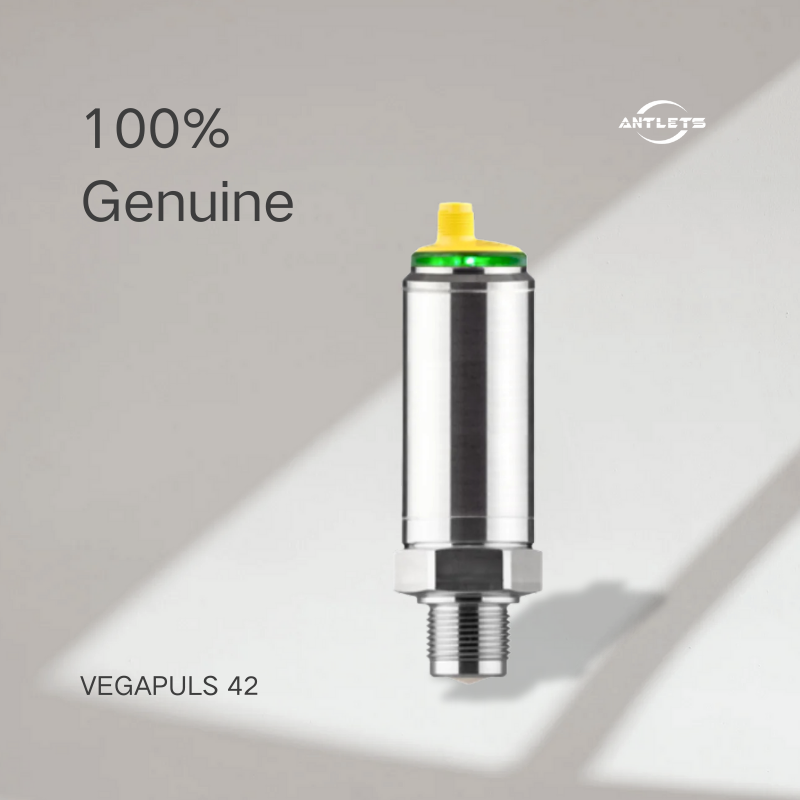
VEGAPULS 42 Compact radar sensor for continuous level measurement
Original price was: $500.00.$420.00Current price is: $420.00. Add to cart -
-

-

Reviews
There are no reviews yet.