
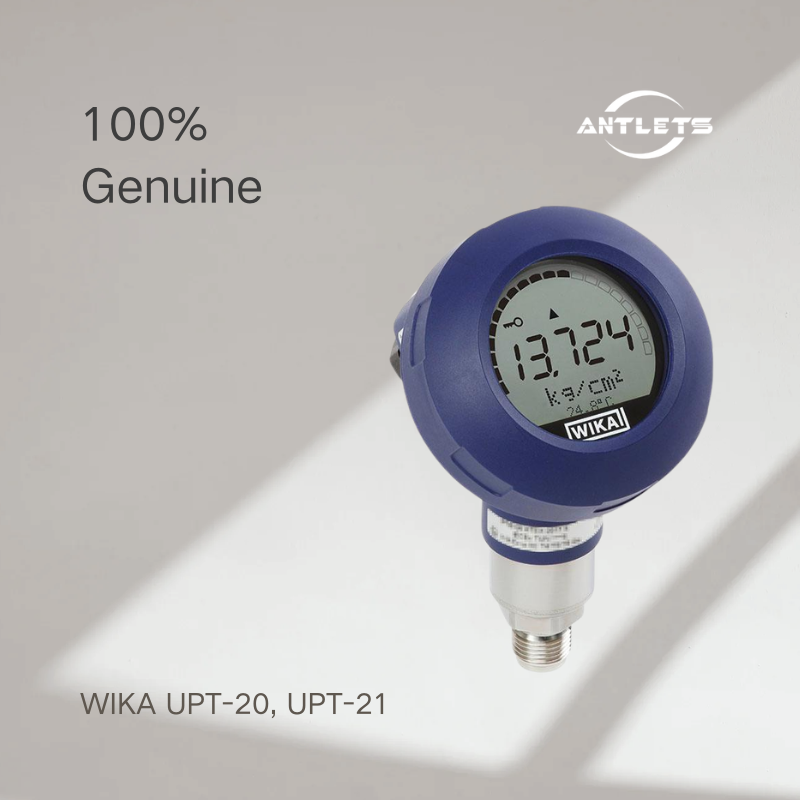
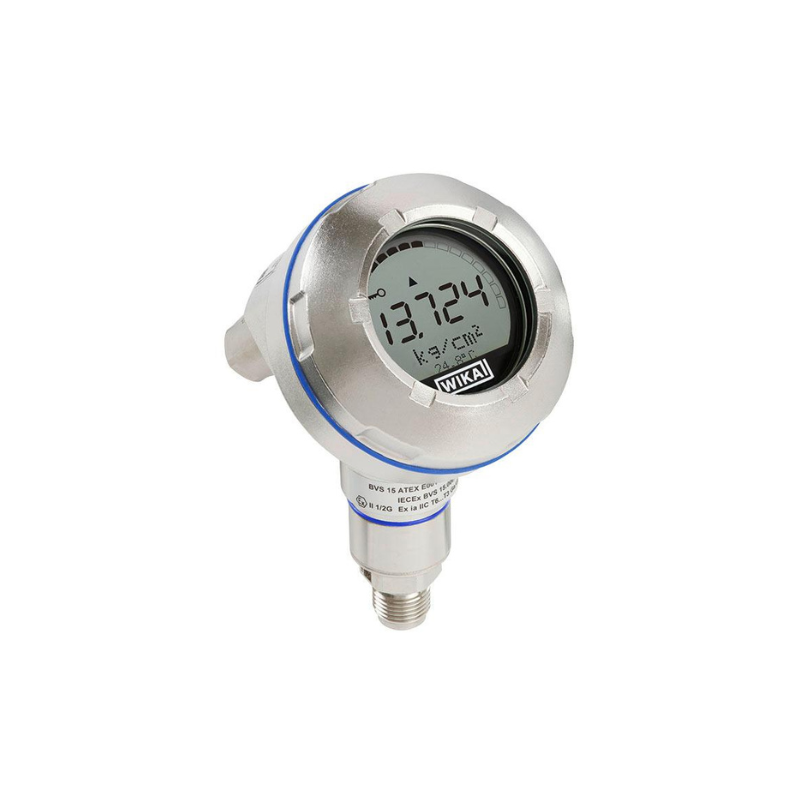
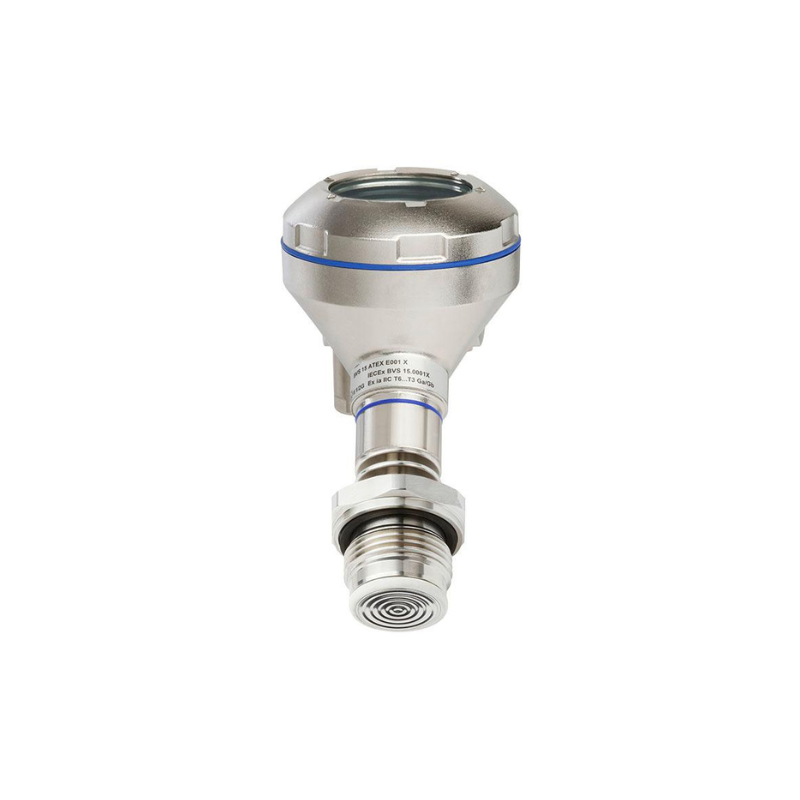
WIKA Models UPT-20, UPT-21 Process transmitter
$120.00
The WIKA UPT-20 and UPT-21 are universal process pressure transmitters that provide high-quality, intelligent pressure measurement for industrial applications. With options for a standard pressure port (UPT-20) or a flush diaphragm connection (UPT-21), these transmitters deliver precise output and flexible integration into process control systems.
Typical Applications:
• Process control and automation in chemical, petrochemical and HVAC systems
• Machine building and plant construction
• Pharmaceutical and hygienic industries
• Food & beverage process monitoring
• General industrial pressure feedback for PLC/DCS/SCADA systems
Not Recommended For:
• Very simple local indication without digital communication
• Applications where basic pressure sensors suffice
Selection Notes
• Choose UPT-20 when a standard process connection is suitable
• Choose UPT-21 when hygienic or viscous media require a flush diaphragm
• Confirm signal output requirements (4–20 mA with HART® compatibility)
• Determine appropriate housing materials (conductive plastic, stainless steel or electropolished surface) based on environment and media
Why Choose the WIKA UPT-20 / UPT-21 Process Transmitters
• Universal Integration: Output with 4–20 mA and HART® communication for process automation systems or analog loops.
• Intelligent Sensor Technology: Integrated temperature compensation and smart sensor features for reliable measurement across changing operating conditions.
• Flexible Process Connections: With standard pressure port (UPT-20) or hygienic flush diaphragm (UPT-21) options to suit various media and process requirements.
• User-Friendly Display: Large LC display with simple menu navigation and rotatable interface for easy local reading and configuration.
• Robust Design: Options including conductive plastic or stainless steel housing, with approvals for use in hazardous areas when required.
• Adjustable Turndown: Allows optimizing measurable range with minimal impact on accuracy.
FAQ
Q: What is the difference between UPT-20 and UPT-21?
A: UPT-20 has a standard pressure port connection, while UPT-21 features a flush diaphragm ideal for hygienic, viscous, or sterile processes.
Q: Can these transmitters be configured on site?
A: Yes — the LC display and menu interface enable on-site readout and configuration, including range scaling and HART® settings.
Q: Are UPT-20/UPT-21 suitable for hazardous areas?
A: Yes — options and approvals exist for use in process environments requiring hazardous area certification.
Q: What communication options are available?
A: They support 4–20 mA analog plus HART® digital communication for integration with PLC/DCS or asset management systems.
| Gauge pressure ranges | bar 0 … 4,000 |
|---|---|
| Absolute pressure ranges | bar 0 … 40 |
| Vacuum and +/- measuring ranges | bar -1 … +40 |
| Output Signal types | ■ 4 … 20 mA |
| Load in Ω | ■ ≤ U+ – 12 V / 0.023 A (non-Ex) |
| Dampening | 0 … 99.9 s, adjustable |
| Accuracy at reference conditions | ■ 0.15 % of span |
| Supply voltage U+ | DC 12 … 36 V |
| Voltage supply (Ex) | Supply voltage U+: DC 14 … 30 V |
| Model UPT-20 Pressure transmission medium | Measuring range ≤ 40 bar [500 psi]: Synthetic oil (halocarbon oil for oxygen applications) |
| Model UPT-21 Pressure transmission medium | Synthetic oil |
| Materials | Stainless steel 1.4404 / 316L |
| Electrical connection | Spring-loaded terminals |
| Display type | LC display |
| Approvals | EU declaration of conformity |
Related products
-
Sale!
 Pressure Measurement
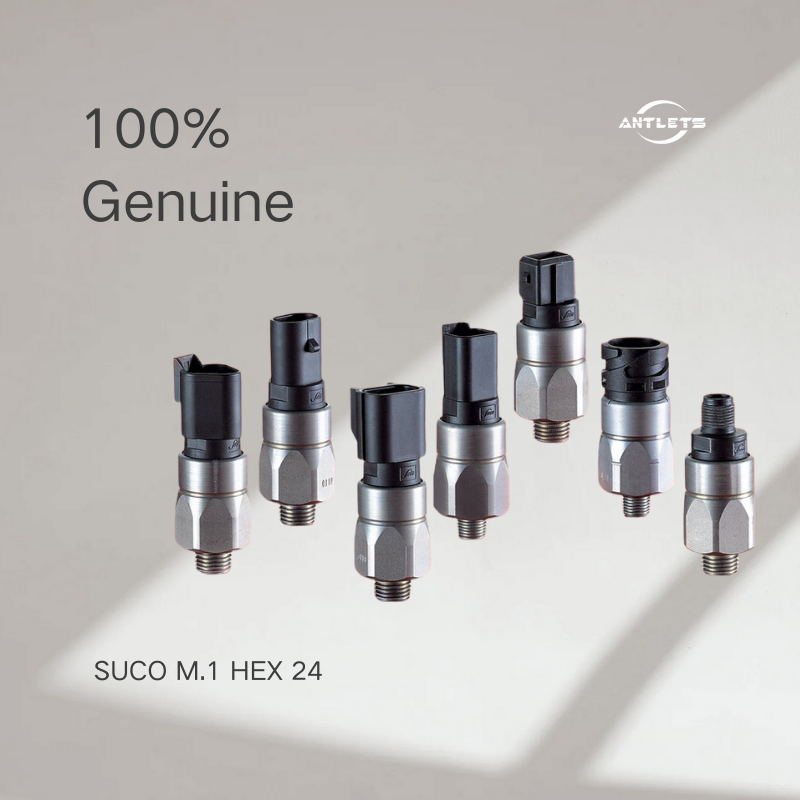
SUCO M.1Pressure switches hex 24 with integrated connector
Original price was: $60.00.$50.00Current price is: $50.00. Add to cart -
Sale!
 Pressure Measurement
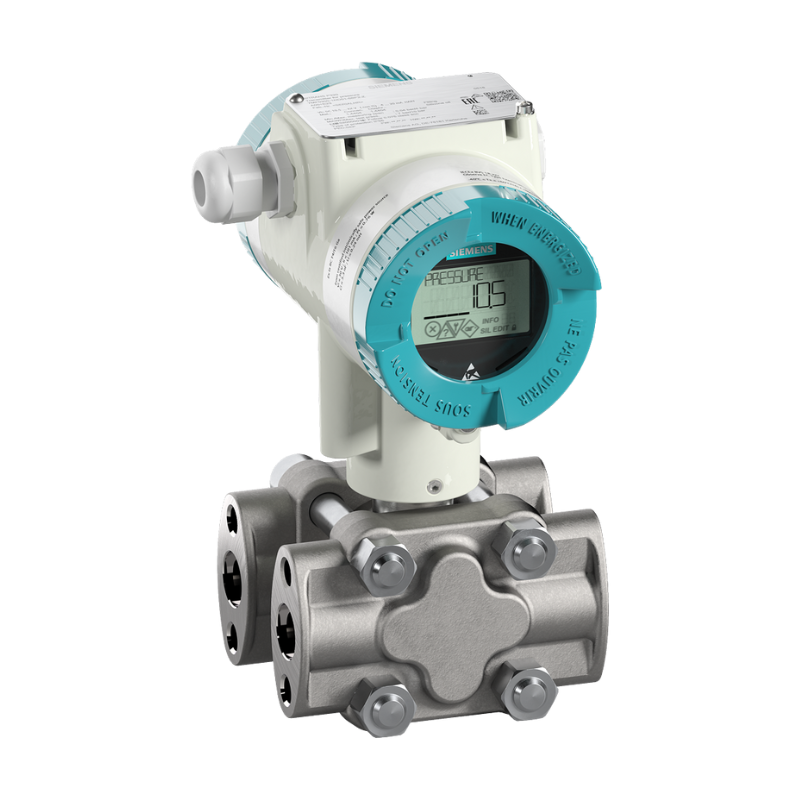
SIEMENS Pressure Measurement SITRANS P320/420 7MF03 7MF04
Original price was: $550.00.$520.00Current price is: $520.00. Add to cart -

-

Reviews
There are no reviews yet.