
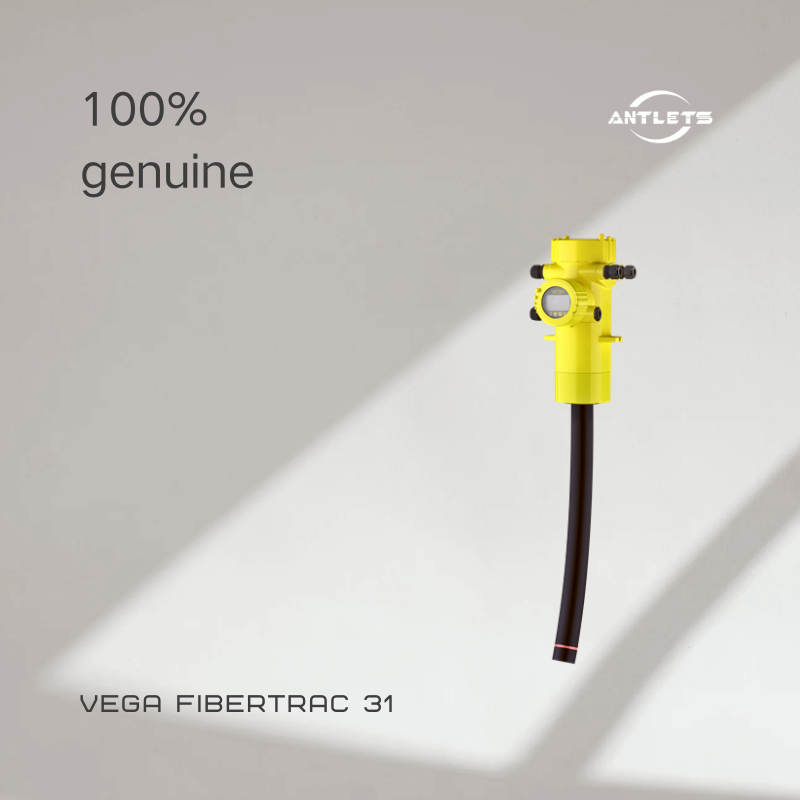
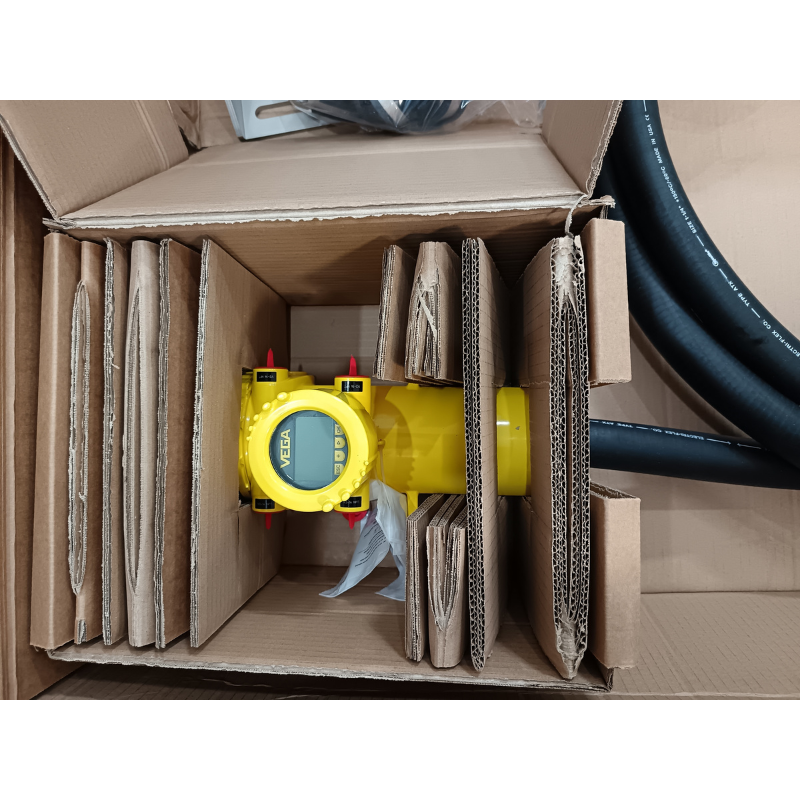
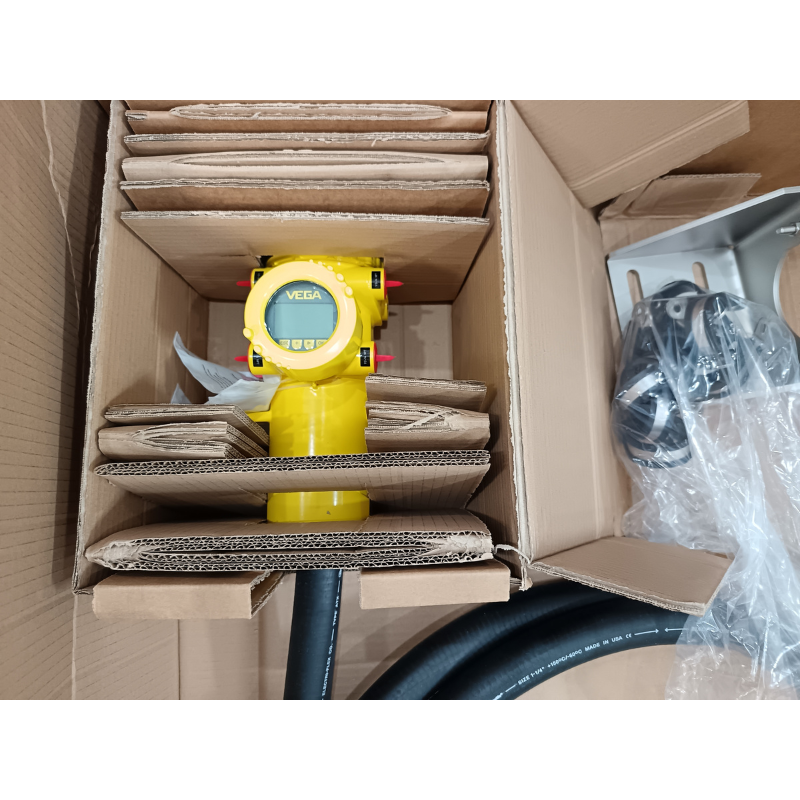
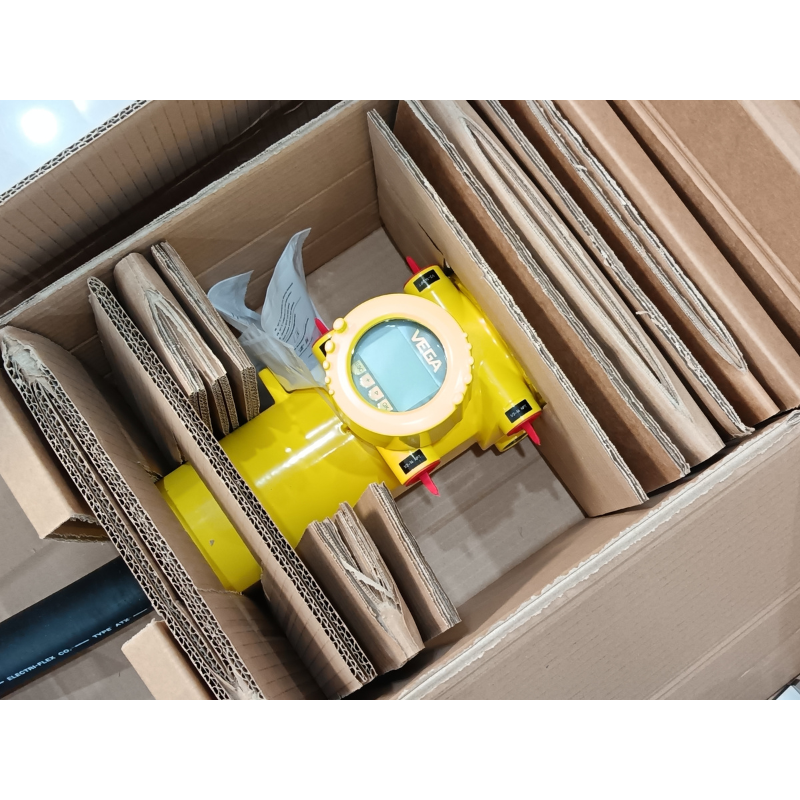
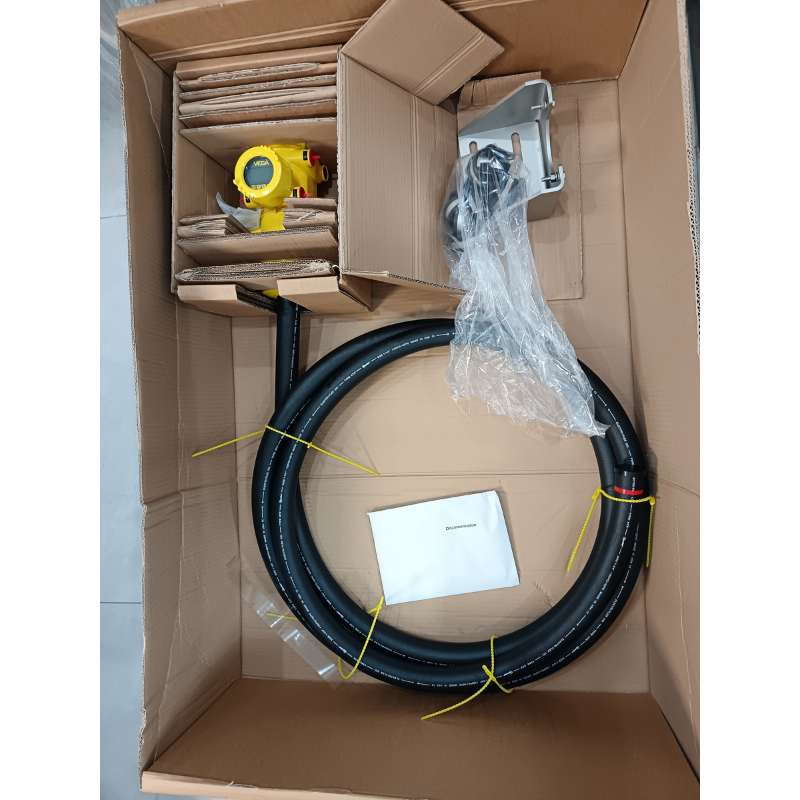
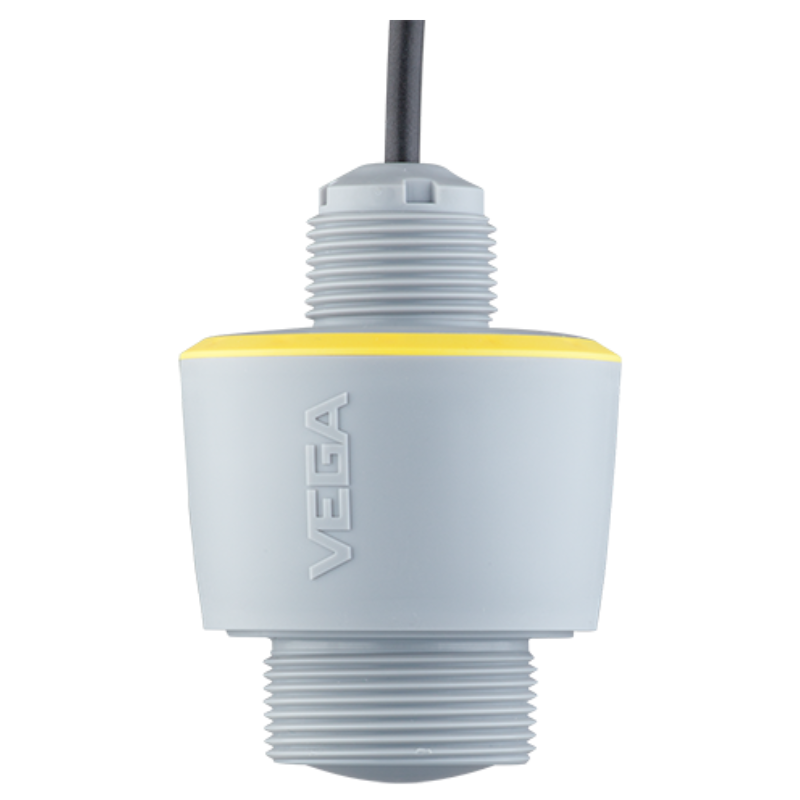
VEGA FIBERTRAC 31 Radiometric Sensor for Continuous Level Measurement
$8,000.00
The VEGA FIBERTRAC 31 Radiometric Sensor is designed for continuous level measurement in extreme process conditions, where conventional technologies fail.
Using radiometric (gamma-based) measurement technology, it enables non-contact level detection through vessel walls, making it ideal for high temperature, high pressure, corrosive, or sealed environments.
With its flexible scintillation detector design, FIBERTRAC 31 can be adapted to different vessel geometries, including large tanks and complex installations.
Typical applications include chemical reactors, high-pressure vessels, autoclaves, and hazardous process systems.
Not Recommended For:
• Standard applications where radar or ultrasonic sensors are sufficient
• Installations where radioactive source handling is not permitted
Selection Notes
• Confirm application conditions, especially where other technologies cannot be used (high temp, pressure, or sealed vessels)
• Verify vessel type and wall thickness, as radiometric measurement works through the container
• Define required measuring range and installation length along the vessel
• Ensure compliance with radiation safety regulations and licensing requirements
• Select compatible radiation source and mounting configuration
• Confirm need for integration with control system (4–20 mA / HART / digital outputs)
Why Choose the FIBERTRAC 31
• Non-Contact Measurement Through Vessel Walls
Radiometric technology allows measurement without direct contact with the medium. Therefore, it is ideal for sealed or hazardous processes.
• Reliable Operation in Extreme Conditions
Works in environments with high temperature, high pressure, dust, corrosion, or buildup, where other sensors fail.
• Flexible Detector Design
The fiber-based scintillation detector can be installed along the vessel. As a result, it supports large measurement ranges and complex geometries.
• Continuous Level Measurement
Provides stable and continuous level output, ensuring accurate process control.
• Minimal Maintenance Requirements
No direct contact with the medium eliminates wear and contamination. Consequently, maintenance is significantly reduced.
• Suitable for Hazardous and Safety-Critical Applications
Ideal for chemical, petrochemical, and energy industries with strict safety requirements.
• Stable Performance Independent of Process Conditions
Measurement is not affected by density, temperature, pressure, or chemical properties.
FAQ
Q: What is FIBERTRAC 31 used for?
A: It is used for continuous level measurement in extreme or inaccessible process conditions, such as sealed or high-pressure vessels.
Q: How does radiometric level measurement work?
A: It uses a gamma radiation source and detector to measure material absorption, which correlates to level.
Q: Is it safe to use?
A: Yes. When properly installed and regulated, it complies with radiation safety standards and industry regulations.
Q: When should I choose this over radar?
A: When temperature, pressure, buildup, or vessel conditions prevent radar or ultrasonic measurement.
| Measuring range - Distance | 7 m [Meter – Foot] |
|---|---|
| Process pressure | – [Bar – kPa – psi] |
| Accuracy | ± 0.5 % |
| Density | Density |
| Materials, wetted parts | No wetted material |
| Threaded connection | Mounting from outside via supplied mounting brackets |
| Seal material | no media contact |
| Housing material | Aluminium |
| Protection rating | IP66/IP67 |
| Output | Profibus PA |
| Ambient temperature | -20 … 50 °C |
| Scope | ATEX / Europe |
| Explosion protection | Intrinsic safety "i" |
| Overfill protection | WHG |
| SIL qualification | SIL2 |
| Adjustment | PLICSCOM |
| Indication | Display/adjustment module PLICSCOM |
Related products
-
-
Sale!
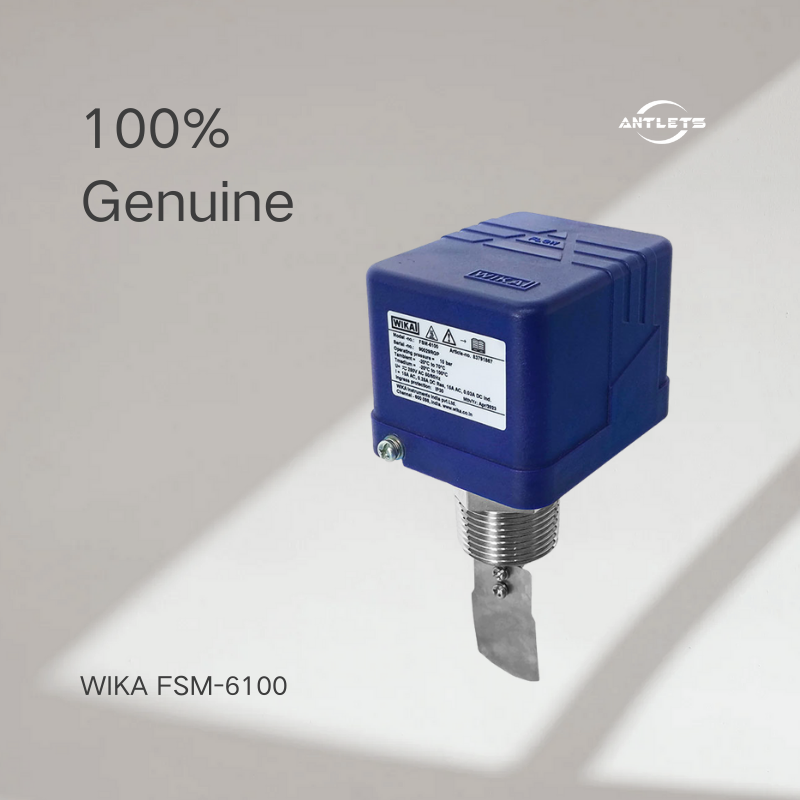
WIKA FSM-6100 Flow switch For industrial heat exchangers
Original price was: $500.00.$450.00Current price is: $450.00. Add to cart -
Sale!
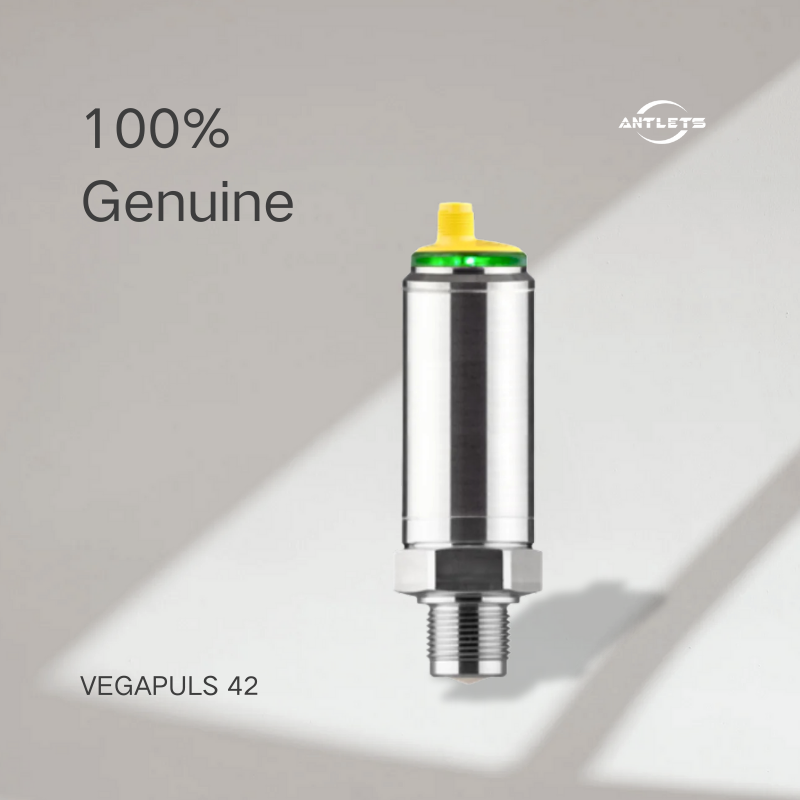
VEGAPULS 42 Compact radar sensor for continuous level measurement
Original price was: $500.00.$420.00Current price is: $420.00. Add to cart -
Reviews
There are no reviews yet.