
Analytical measurement is not about simply “reading a value”.
👉 It is about making real-time decisions in industrial processes.
In real-world applications, analytical instruments are rarely standalone devices.
They are part of a larger system that determines:
👉 how a process should operate next
Below are three real industrial cases showing how analytical measurement is actually used in practice.
1️⃣ Water Treatment Plant: pH Control as the “Brain” of Dosing Systems
🏭 What happens in the field?
In a water treatment plant, raw water enters the process, but its quality is never stable:
- Rainy vs dry seasons
- Different water sources
- Temperature variations
👉 This means pH is constantly changing.
If it is not controlled properly, it will affect:
- Coagulation efficiency
- Disinfection performance
- Overall water stability
👉 How the control system actually works
1️⃣ A pH electrode continuously measures the process water
2️⃣ The signal is transmitted to a transmitter
3️⃣ The controller calculates required adjustments
4️⃣ Chemical dosing pumps automatically adjust acid/alkali addition
👉 What is used in real projects?
In many water treatment systems, you will typically find:
These devices are not just displaying values.
They are responsible for: turning pH signals into control actions
which control dosing pumps based on thresholds such as:
- pH < 6.8 → increase alkali dosing
- pH > 7.5 → reduce dosing
📌 Key takeaway:
👉 The pH system is not measuring water
👉 It is controlling the entire dosing process
2️⃣ Wastewater Treatment Plant: COD as the “Approval Signal” for Discharge
🏭 What happens in the field?
At the final stage of wastewater treatment, the key question is:
👉 Can this water be discharged?
👉 The control logic in practice
1️⃣ Wastewater enters biological treatment
2️⃣ Organics are degraded in aeration tanks
3️⃣ Treated effluent goes to monitoring section
4️⃣ Online COD system evaluates compliance
👉 Equipment commonly used
This system automatically:
- Takes samples
- Performs chemical digestion
- Measures COD via photometric analysis
- Outputs standardized results for compliance control
In many plants, this is integrated with:
- Emerson Rosemount / transmitter systems
for signal transmission into DCS systems.
In the final execution layer:
are used to redirect or extend treatment if COD exceeds limits.
📌 Key takeaway:
👉 COD is not just a number
👉 It is the “permission signal” for discharge
3️⃣ Beverage Industry: Conductivity as the “Entry Gate” to Production
🏭 What happens in the field?
In beverage or pharmaceutical production:
👉 Water is not auxiliary
👉 It is part of the final product
Therefore, water quality directly affects product quality.
👉 The production logic
1️⃣ Raw water enters treatment system
2️⃣ Conductivity is measured in real time
3️⃣ Signal is evaluated by control system
4️⃣ Water is either accepted or rejected
👉 Typical instrumentation in use
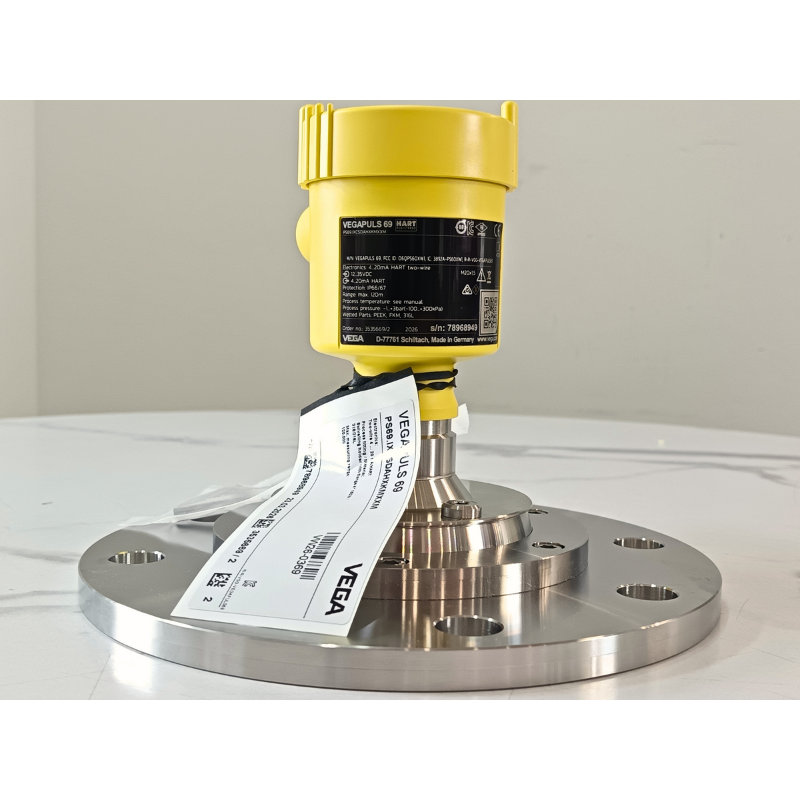
In real production lines, you will often find:
- Endress+Hauser hygienic conductivity sensors
used in CIP/SIP environments - VEGA level measurement systems
for tank monitoring and batching control - WIKA pressure and temperature instruments
ensuring process stability in filtration and mixing stages
If water quality is not within specification:
👉 The system automatically redirects it to RO treatment or discharge.
📌 Key takeaway:
👉 Conductivity is not just a water parameter
👉 It is the “entry control gate” for production
🚀 CTA
If you are working on:
- Water treatment
- Wastewater discharge
- Food or pharmaceutical production
But are unsure:
👉 Which parameters should be measured
👉 Which analytical system is suitable
👉 Or how to design the control logic
💡 We can help you with:
👉 Full analytical measurement system design
👉 Brand and instrument selection (E+H / Yokogawa / Rosemount / VEGA, etc.)
👉 Avoiding costly selection mistakes
👉 Get a solution within 24 hours
👉 Free quotation available
📩 WhatsApp: +86 132 7933 7527
📧 Email: info@antletstech.com