
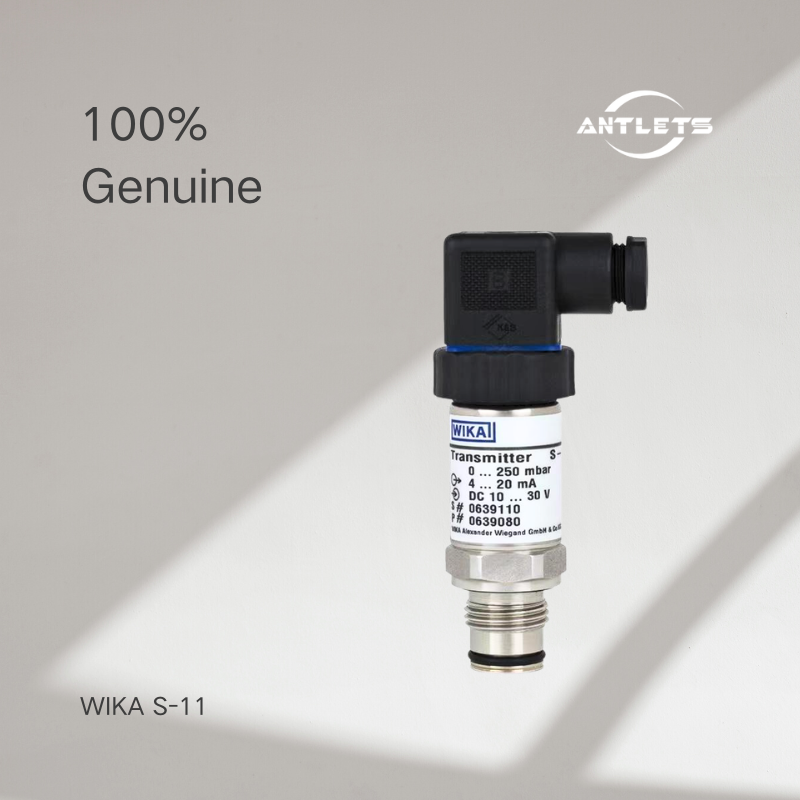
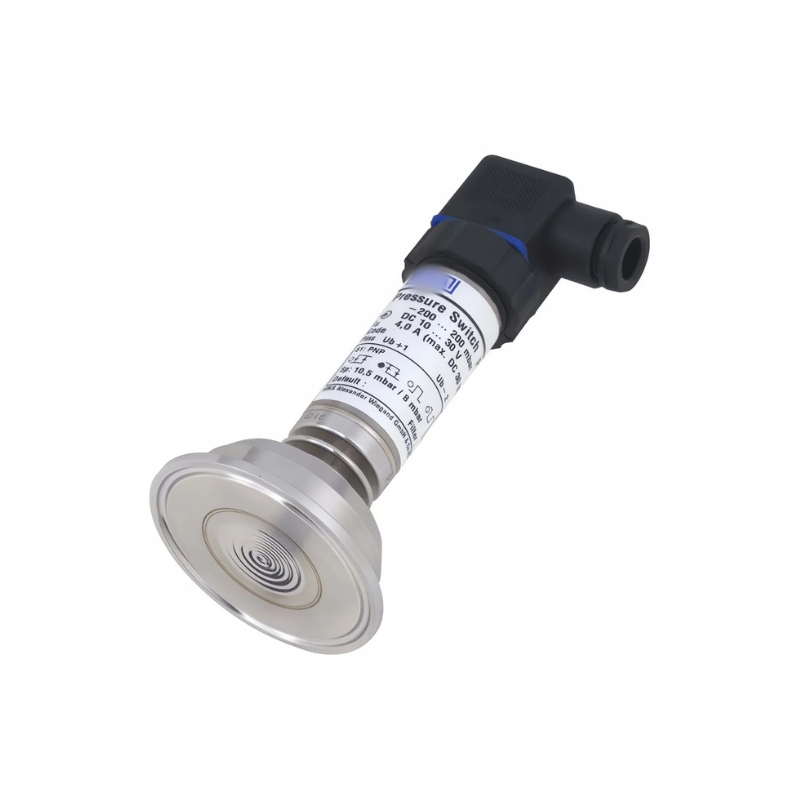
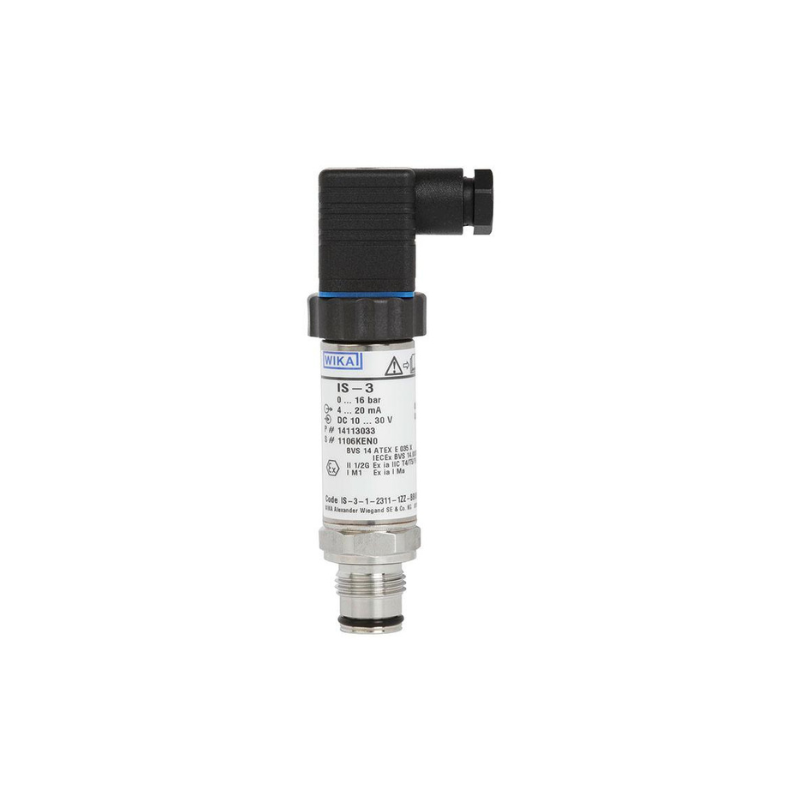
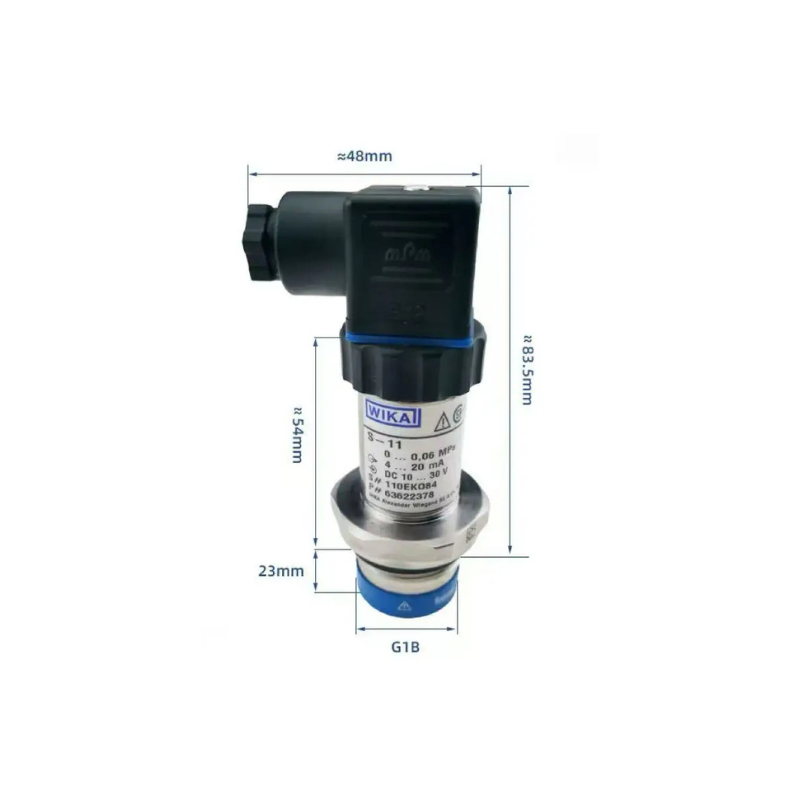
WIKA Model S-11 Flush pressure transmitter
$100.00
The WIKA S-11 is a flush diaphragm pressure transmitter designed for pressure measurement in viscous, particle-laden, paste-like or contaminated media where conventional process connections may clog. It provides a reliable 4–20 mA output and rugged construction for industrial applications requiring cleanable, dead-space-free pressure sensing.
Typical Applications:
• Pressure measurement in food & beverage and hygienic processes
• Viscous, adhesive, crystallising or particle-containing media
• Pump and compressor control, press control
• Industrial hydraulics and pneumatics
• Chemical process monitoring and level measurement
Not Recommended For:
• Simple gauge-only local display without transmitter output
• Very low-cost basic pressure sensing where flush diaphragm isn’t required
Selection Notes
• Choose flush diaphragm when measuring viscous, particulate or sticky media
• Confirm process connection size (e.g., G1 B, G1/2 B) based on installation requirements
• Verify required pressure range from vacuum up to several thousand psi/bar
• Determine desired electrical connection and output (2-wire 4–20 mA or other options)
Why Choose the WIKA S-11 Flush Pressure Transmitter
• Flush Diaphragm Design: Prevents clogging and allows clean, dead-space-free pressure measurement — ideal for difficult media.
• Reliable Output: Standard 4–20 mA 2-wire output signal compatible with PLC/DCS and process automation.
• Stainless Steel Construction: Durable case and wetted parts withstand industrial environments and contamination.
• Wide Range Availability: Offered in many pressure ranges from vacuum to high-pressure options to suit diverse applications.
• Vibration and Shock Resistance: Robust sensor design resistant to spikes and mechanical stress.
• Low Maintenance: Easy to clean flush diaphragm reduces downtime and maintenance needs in tough process conditions.
FAQ
Q: Why choose a flush diaphragm transmitter like the S-11?
A: Because it avoids clogging from viscous or particle-laden media and offers a dead-space-free connection for easy cleaning and reliable measurement.
Q: What output signal does the S-11 provide?
A: Standard configuration is 4–20 mA 2-wire, compatible with most automation systems; other outputs may be available upon configuration.
Q: Can the S-11 handle high temperatures?
A: Versions with integrated cooling elements are available for higher medium temperature applications.
Q: Is the S-11 suitable for hygienic industries like food and beverage?
A: Yes — the flush diaphragm design is ideal for applications requiring cleanable, sanitary pressure measurement.
| Gauge pressure Measuring range | 0…600 |
|---|---|
| long-term stabilty at reference conditions | ≤ ±0.2 % of span/year |
| Atmospheric pressure | 860 … 1,060 mbar (12.5 … 15.4 psi) |
| Humidity | 45 … 75 % r. h. |
| Power supply | DC 24 V |
| Approvals | EU declaration of conformity |
Related products
-

-
Sale!
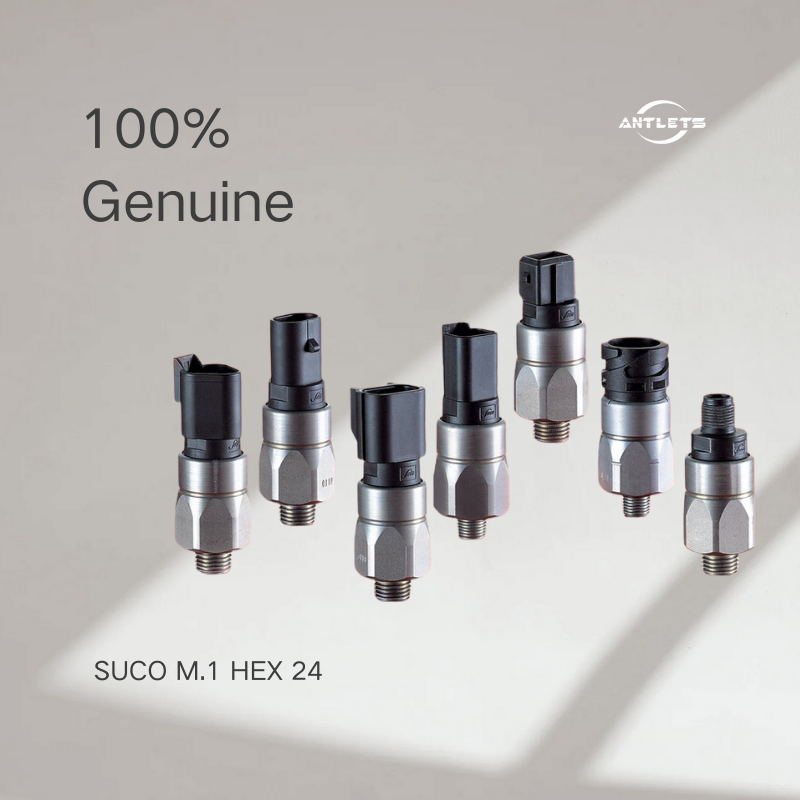
SUCO M.1Pressure switches hex 24 with integrated connector
Original price was: $60.00.$50.00Current price is: $50.00. Add to cart -

-

Reviews
There are no reviews yet.