
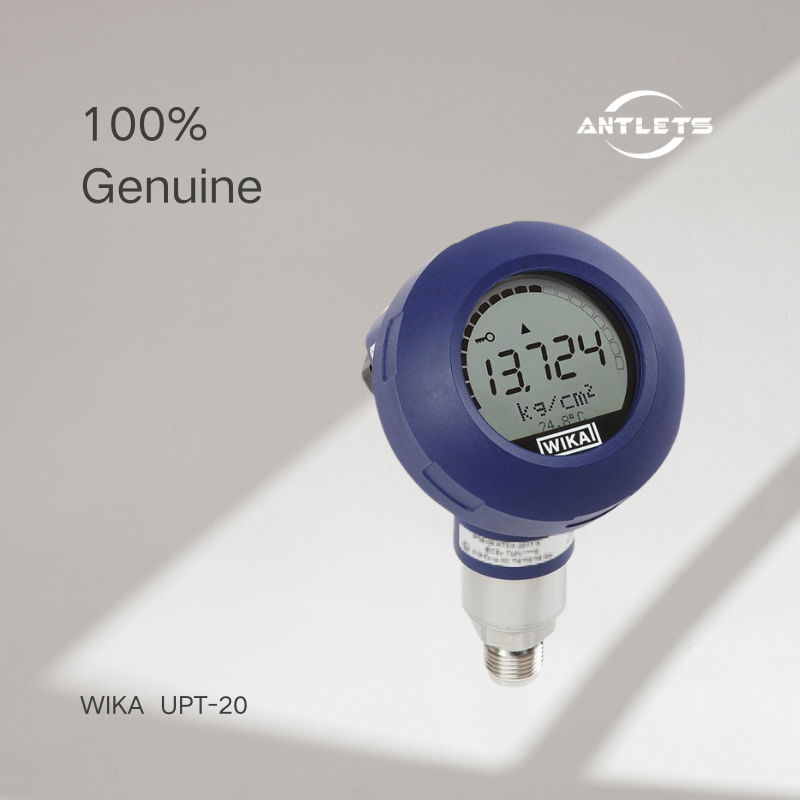
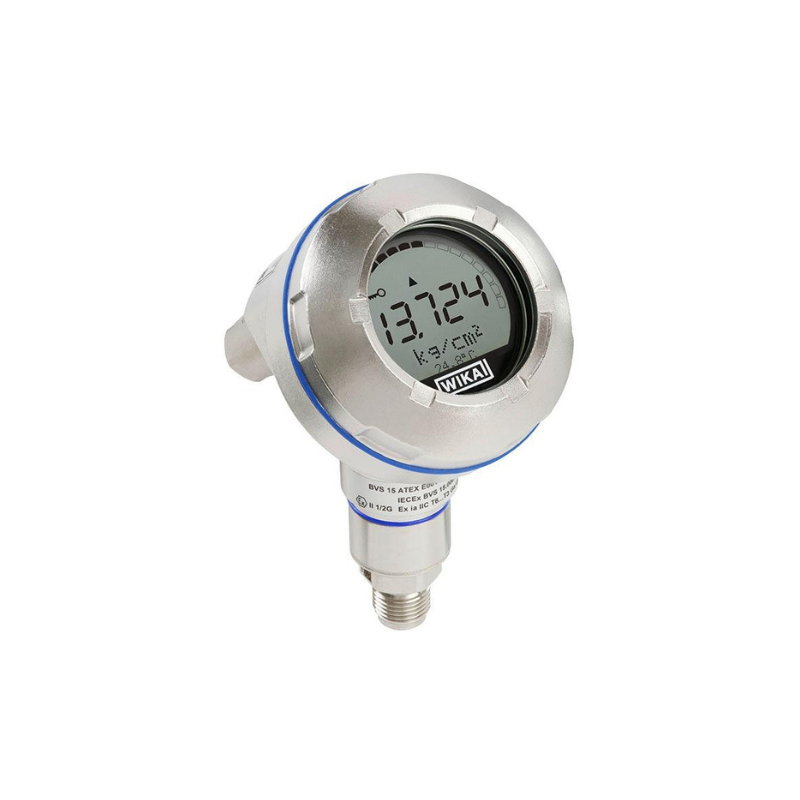
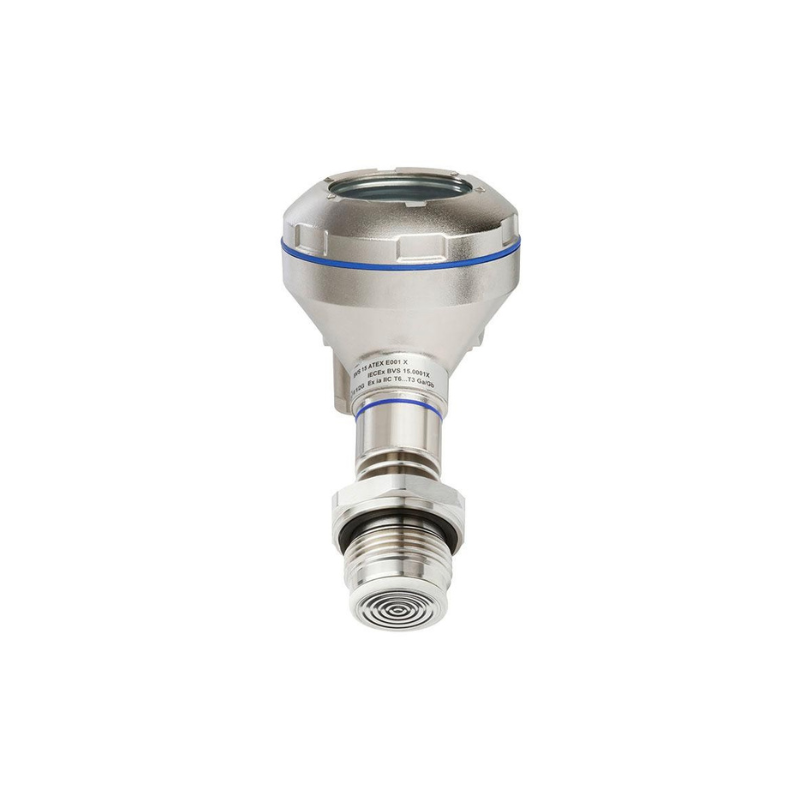
WIKA Process transmitter UPT-20
$1,000.00
The WIKA UPT-20 is an intelligent process pressure transmitter designed for demanding industrial applications requiring accurate and reliable pressure monitoring. Featuring advanced sensor technology, integrated temperature compensation and optional HART® communication, it enables stable pressure measurement and flexible integration into modern control systems.
Typical Applications:
• Process control and industrial automation
• Chemical and petrochemical processing plants
• Machine building and plant engineering
• Pharmaceutical and hygienic industries
• Food and beverage processing systems
Not Recommended For:
• Applications requiring only simple local pressure indication without signal output
• Basic low-cost OEM equipment where advanced process transmitter features are unnecessary
Selection Notes
• Confirm the required pressure range and measurement type (gauge, absolute or vacuum).
• Verify the suitable process connection (e.g., ½ NPT or other industrial fittings).
• Choose the required output signal, typically 4-20 mA with optional HART® communication.
• Ensure the transmitter housing material meets environmental or hygienic requirements.
• Consider hazardous-area approvals when installing in explosive environments.
Why Choose the WIKA UPT-20 Process Transmitter
• High Measurement Accuracy
Standard accuracy reaches approximately ±0.15% of span, suitable for demanding process measurement.
• HART® Communication Capability
Supports 4-20 mA analog signal with optional HART protocol, enabling integration with modern digital control systems.
• Advanced Intelligent Sensor Technology
Integrated temperature compensation improves stability and measurement reliability across varying process conditions.
• Large Rotatable LCD Display
Multifunction display with simple menu navigation allows easy configuration and clear reading even after installation.
• Robust Industrial Construction
Available with conductive plastic or stainless-steel housing and designed for harsh process environments with IP66/IP67 protection.
FAQ
Q: What is the difference between the UPT-20 and UPT-21?
A: The UPT-20 uses a standard pressure port connection, while the UPT-21 features a flush diaphragm for hygienic or viscous media applications.
Q: Does the transmitter support digital communication?
A: Yes. In addition to the standard 4-20 mA analog output, the UPT-20 can support HART® communication.
Q: Can the display be rotated after installation?
A: Yes. The housing can rotate and the display position can be adjusted for optimal visibility.
Q: Which industries commonly use the UPT-20?
A: It is widely used in chemical plants, pharmaceutical production, food processing and general industrial process control.
| Gauge pressure | bar: 0 … 4,000 |
|---|---|
| Absolute pressure | bar: 0 … 40 |
| Vacuum and +/- measuring ranges | bar: -1 … +40 |
| Output signals | 4 … 20 mA |
| Process connections | EN 837 |
| Pressure transmission medium | Measuring range ≤ 40 bar [500 psi]: Synthetic oil (halocarbon oil for oxygen applications) |
| Materials | Stainless steel |
| Case | Stainless steel |
| Electrical connection | Spring-loaded terminals |
| Display type | LC display |
| Range of applications | Suitable for internal and external operation, exposure to direct sunlight is permitted |
| Permissible air humidity | ≤ 93 % r. h. |
| Ingress protection per IEC 60529 | IP66/67 |
| Approvals (option) | EU declaration of conformity |
Related products
-
 Pressure Measurement
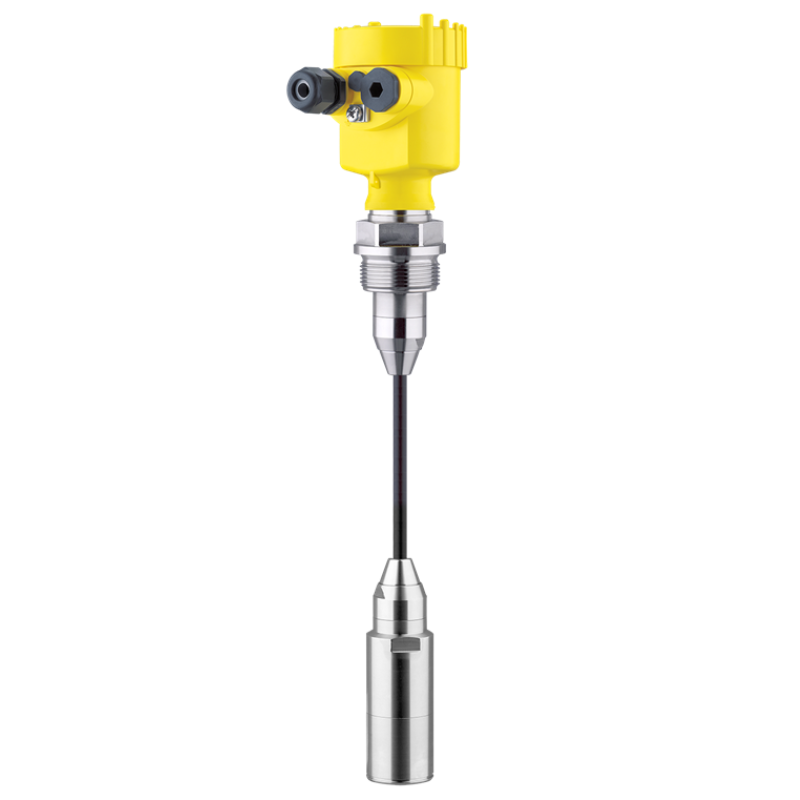
VEGABAR 87 Submersible pressure transmitter with metallic measuring cell
$1,200.00 Add to cart -
Sale!
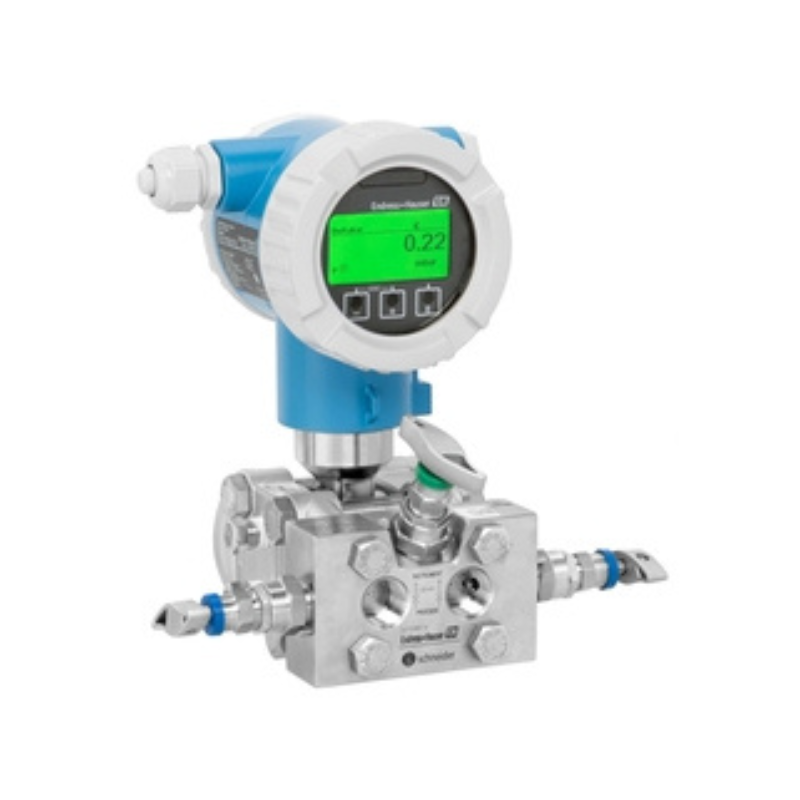 Pressure Measurement
Deltabar PMD75B – differential pressure transmitter
Original price was: $1,020.00.$930.00Current price is: $930.00. Add to cart -
 Flow Measurement
Endress+Hauser Deltabar PMD50 – differential pressure transmitter
$1,200.00 Add to cart -
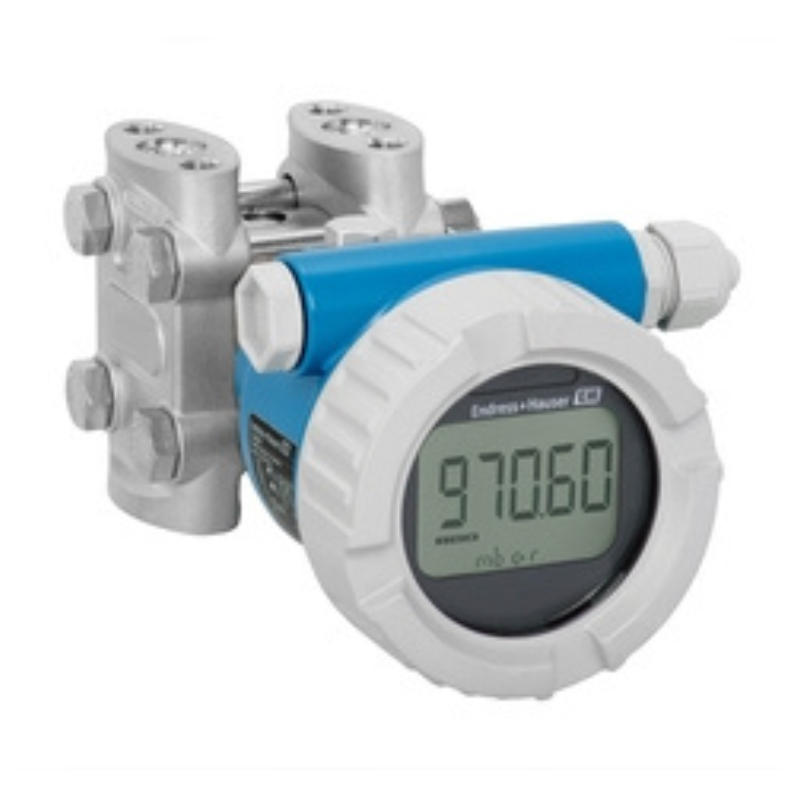 Flow Measurement
Endress+Hauser Deltabar PMD55B – differential pressure transmitter
$1,200.00 Add to cart
Reviews
There are no reviews yet.