
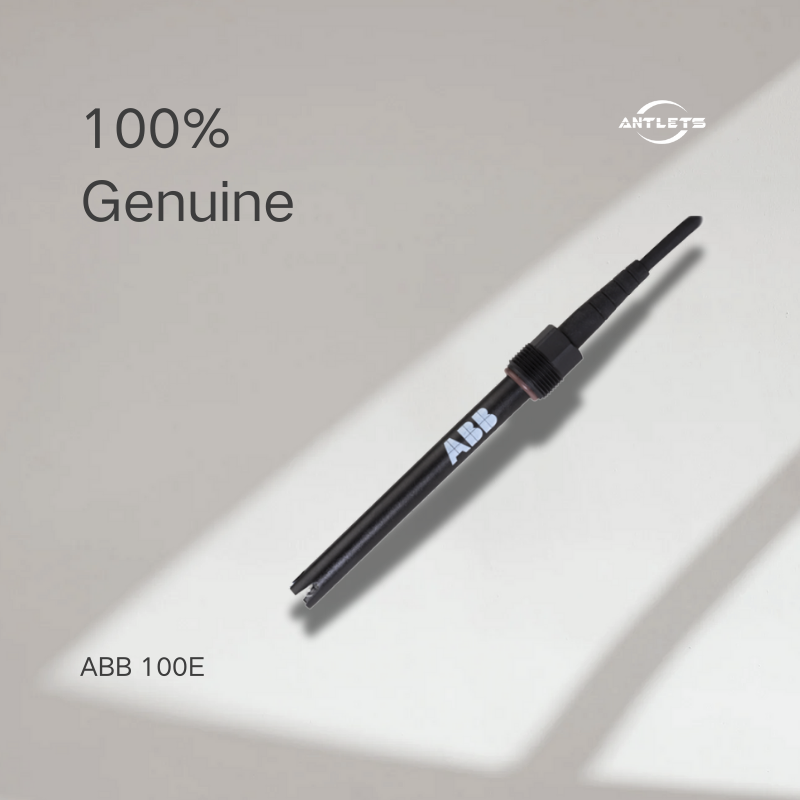

ABB 100E general purpose 12 mm pH/redox (ORP) sensor
$600.00
Typical Applications:
• General industrial wastewater treatment
• Standard water and utility process monitoring
• Basic chemical process measurement
• pH / ORP measurement where analog signal transmission is sufficient
Not Recommended For:
• Applications requiring digital communication or diagnostics
• Environments with strong electromagnetic interference
• Processes requiring enhanced durability or advanced sensor series
The ABB 100E is a versatile 12 mm pH/ORP sensor designed for general-purpose water analysis in various applications. Its compact size allows for flexible installation, while the robust construction ensures reliable performance. With straightforward maintenance and stable analog output, this sensor provides essential pH and ORP data for effective process monitoring and control in industrial and environmental settings.
Data sheet – 100E | General purpose 12 mm pH / Redox (ORP) sensor
Selection Notes
• Confirm whether an analog pH / ORP sensor meets application requirements
• Suitable for standard installations using conventional transmitters
• Analog sensors require proper grounding and signal shielding
• Designed for general-purpose process conditions
• Regular calibration and routine maintenance are required
Why Choose the 100E General Purpose Sensor
• Reliable analog pH / ORP measurement for everyday industrial use
• Standard 12 mm design compatible with common fittings and holders
• Cost-effective solution for basic process monitoring
• Proven ABB sensor technology for general-purpose applications
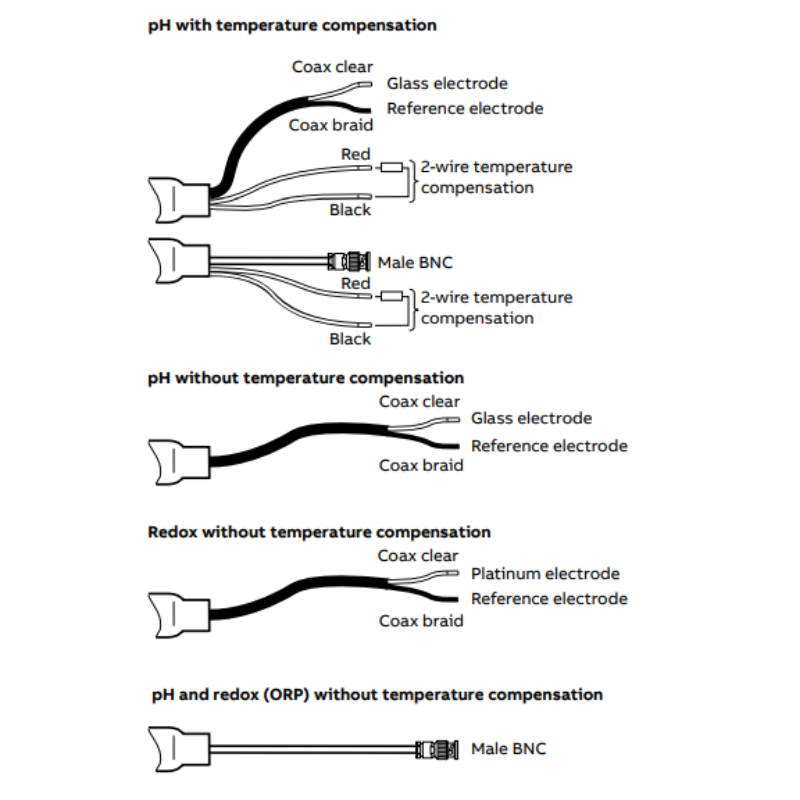
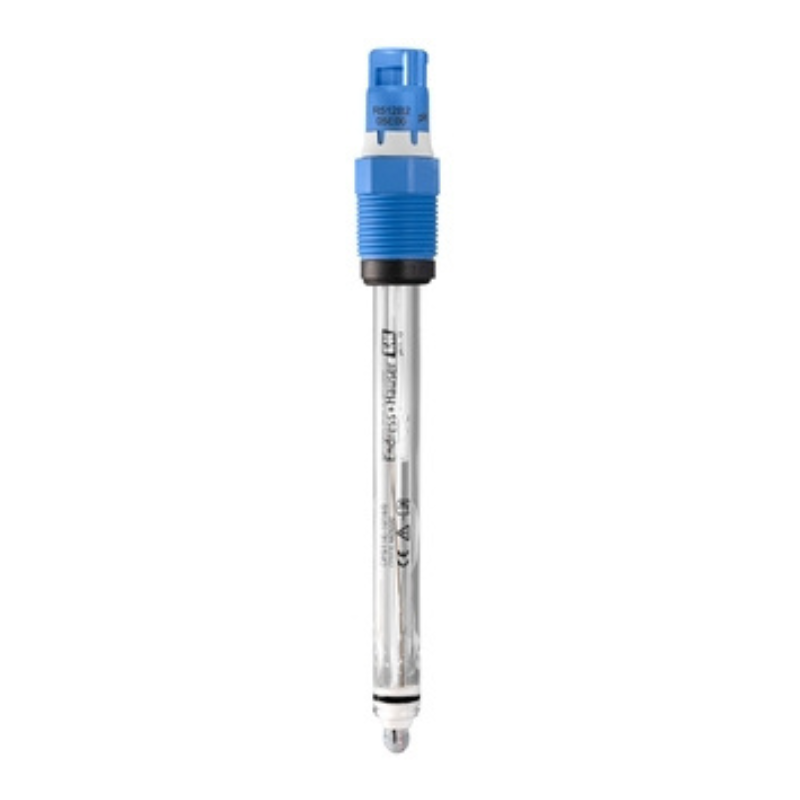
The 100E pH sensor features low-resistance pH glass with an acrylamide-free gel electrolyte and double junction reference protection to provide accurate measurements across the full pH scale (0 to 14).The 100E is available with an integrated PT100 temperature sensor and a choice of cable lengths with BNC or tinned wire connection for easy connection.
Users benefit from:
- Excellent combination of price and performance
- Low maintenance design with double junction reference protection
- Virtually unbreakable Ultem® body
- PG13.5 process connection for quick installation and removal
- Optional integrated temperature sensor provides rapid compensation for changes in process temperature
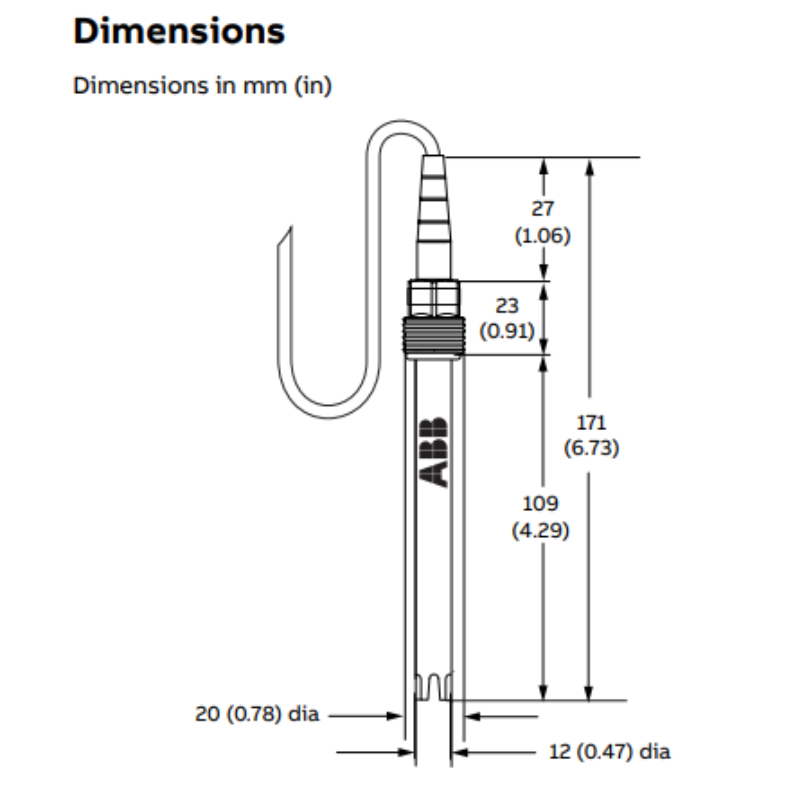
- Choice of 1, 3 and 5 m (3.3, 9.8 and 16.4 ft.) integral cable lengths
FAQ
Q: What type of signal does the ABB 100E sensor use?
A: The ABB 100E uses analog signal transmission for pH and ORP measurement.
Q: Is the 100E suitable for harsh industrial environments?
A: It is designed for general-purpose applications. For harsher conditions, advanced ABB sensor series are recommended.
Q: Does the 100E require regular calibration?
A: Yes. Like all analog pH/ORP sensors, regular calibration is required to maintain accuracy.
Q: Can you help determine if an analog or digital sensor is more suitable?
A: Yes. Our engineers can review your application and recommend the appropriate solution.
| Measurement range | pH 0 to 14 pH |
|---|---|
| Process temperature | 0 to 60 °C (32 to 140 °F) |
| Pressure range | 0 to 6 bar (90 psi) @ 25 °C (77 °F) |
| Recommended minimum sample conductivity | 100 μS/cm |
| pH glass | General purpose (GP) glass (bullet) |
| Redox (ORP) | Platinum |
| Reference system | Double junction Ag/AgCl 3.5M KCI in gel matrix |
| Reference junction | Pellon, silicon bushing |
| Connection type | BNC |
| Process connections | PG13.5 |
Reviews
There are no reviews yet.