
Why Every Key Step in Water and Wastewater Treatment Requires Measurement
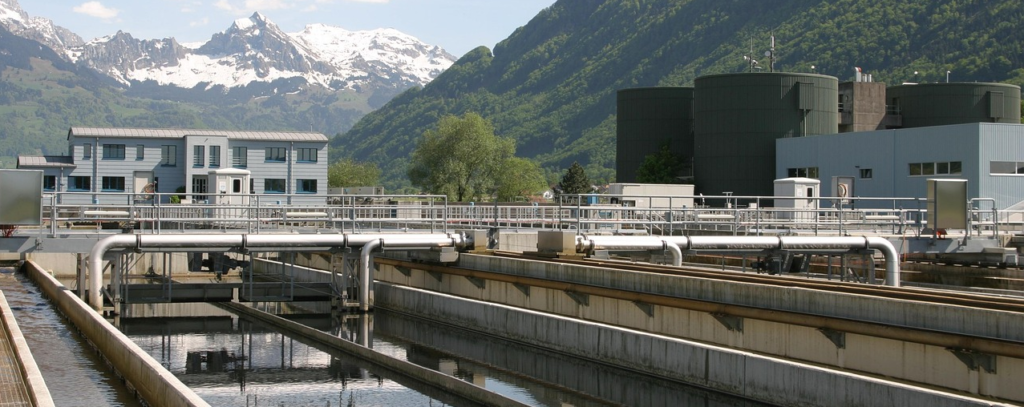
In modern water and wastewater treatment systems, measurement is not an optional feature—it is the foundation for stable operation, regulatory compliance, and optimized management. Whether in municipal wastewater treatment plants, industrial wastewater facilities, or water reuse systems, every stage of water flow, quality, and treatment process must be monitored and measured to provide reliable data.
This article explains why measurement is essential at every step of water and wastewater treatment, from influent and process control to effluent discharge and water reuse, and the practical value it brings.
1. Influent Stage: Why Measurement is Essential from the Start
The influent stage is the entry point of the treatment system and one of the most unpredictable stages. Daily fluctuations in water volume and quality directly determine how downstream processes operate.
1.1 Key Measurement Parameters
- Flow rate: Real-time monitoring of incoming water volume
- Water level / Tank level: Detect potential overflow or underflow in balancing tanks
- Basic water quality indicators: Turbidity, suspended solids, conductivity
1.2 Measurement Benefits
- Provides real-time data on water quantity and quality, enabling system adjustments based on actual load
- Detects potential overflow or underflow in tanks, maintaining stable operation of downstream process units
- Supplies foundational data to align chemical dosing, aeration, and other process adjustments with actual conditions
1.3 Consequences of Not Measuring
- System load may exceed design capacity, leading to overworked process units
- Tanks may overflow or run dry, reducing treatment efficiency
- Chemical dosing and energy use become uncontrolled, increasing operational costs
2. Treatment Stage: Continuous Measurement During Operation
Wastewater treatment is a continuous and dynamic process, including physical, chemical, and biological treatments. Each unit may respond differently under varying loads, and deviations from design parameters can accumulate over time.
2.1 Key Measurement Parameters
- Level and pressure: Monitor equipment and pipeline conditions
- Flow variation: Ensure each process unit is operating as intended
- Key water quality trends: pH, dissolved oxygen, chemical oxygen demand (COD)
2.2 Measurement Benefits
- Reflects process unit status and detects deviations from design conditions
- Supports automated control and interlock protection for stable, continuous operation
- Provides trend data for analyzing and optimizing energy use, chemical dosing, and maintenance planning
2.3 Consequences of Not Measuring
- Process deviations may go unnoticed
- Water quality issues are only detected after they occur, requiring delayed or reactive adjustments
- Energy consumption, chemical use, and equipment wear increase
3. Effluent Stage: The Final Line of Compliance
The effluent stage determines whether discharge meets regulatory standards and operational risks are controlled—the system’s final safeguard.
3.1 Key Measurement Parameters
- Effluent flow rate
- Effluent quality indicators (e.g., turbidity, dissolved oxygen, ammonia, total nitrogen)
- Data continuity and traceability
3.2 Measurement Benefits
- Continuous monitoring ensures discharge consistently meets regulatory standards
- Provides traceable data for compliance assessment and problem analysis
- Supplies foundational data for effluent quality trend analysis and system optimization
3.3 Consequences of Not Measuring
- Compliance can only be verified by sampling, not real-time monitoring
- Any violations are discovered after the fact, making cause analysis difficult
- Risks remain uncontrolled, potentially leading to regulatory or environmental penalties
4. Water Reuse and Digital Water Management: Measurement as a Core Capability
With the rise of water reuse and smart water management, water is no longer only an effluent to discharge—it is a valuable resource. System efficiency, water quality, and intelligent management all rely on accurate measurement data.
4.1 Key Measurement Parameters
- Reused or recycled water quality indicators
- Flow rates in recycling loops
- Equipment status and process parameters
4.2 Measurement Benefits
- Ensures stable water quality for reuse applications
- Provides reliable data for process optimization, energy management, and smart water systems
- Supports data-driven decisions for safer, more efficient, and sustainable water operations
4.3 Consequences of Not Measuring
- Water quality for reuse cannot be guaranteed, creating potential risks
- System optimization and energy efficiency cannot be achieved
- Data-driven or smart management of water resources becomes impossible
Conclusion: Measurement is the Foundation of Water Treatment Systems
In the water and wastewater treatment industry, measurement is the core of system controllability, stability, and compliance:
- Every stage and process unit must be measured
- Measurement makes invisible water quality parameters visible and actionable
- Continuous data supports operational optimization, ensures safety, and enables intelligent water management
Future articles will explore specific measurement needs, measurement principles, and real-world case studies at each stage, showing how measurement enables precise, intelligent, and sustainable water treatment operations.
For detailed technical specifications, application advice, or commercial inquiries regarding a wider range of industry brands, please contact us via WhatsApp: +86 132 7933 7527 or Email: info@antletstech.com. Our experienced engineering team is ready to support your project.
-
 Temperature Measurement59 products
 -
 Pressure Measurement169 products
 -
 Level Measurement263 products
 -
 Flow Measurement183 products
 -
 Liquid Analysis36 products