
Introduction: The Role of Measurement Instruments in Water and Wastewater Treatment
In the field of water and wastewater treatment, precise measurement is essential to ensure processing efficiency and compliance with discharge standards. Whether it is monitoring liquid levels in wastewater pools, measuring solid content in sedimentation tanks, or controlling pressure in pipelines, measurement instruments not only help ensure water quality stability but also directly impact production costs and safety. As an indispensable part of water treatment systems, measurement instruments provide real-time, accurate data support, ensuring system design, daily operations, and process optimization.Common Measurement Instruments in Water and Wastewater Treatment
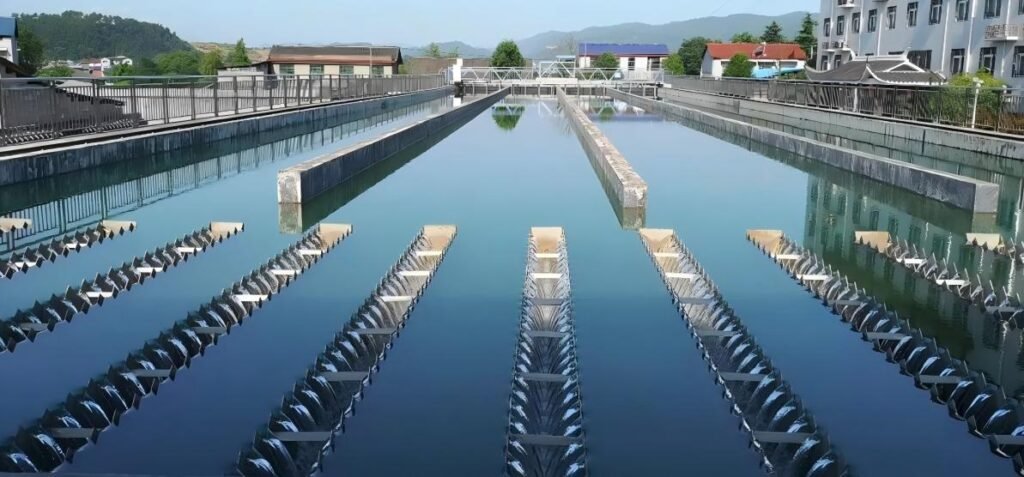
1.Level and Position Measurement Instruments
Level and position measurement instruments are critical in water and wastewater treatment processes. Common instruments include:
- Radar Level Meters: Used in wastewater pools and treatment tanks, these measure liquid levels using electromagnetic waves, offering high accuracy and interference resistance, ideal for harsh environments.
- Ultrasonic Level Meters: These meters use ultrasonic waves to measure liquid levels in stable environments, making them ideal for applications where contactless measurement is necessary.
- Capacitive Position Sensors: Used to monitor solid material levels, these are widely applied in silos, sedimentation tanks, and other solid material storage areas.
2. Pressure Measurement Instruments
In water treatment systems, pressure measurement instruments are used to monitor pressure within equipment and pipelines, ensuring safe operation and preventing issues caused by either excessive or insufficient pressure. Common instruments include:
- Pressure Transmitters: Used to monitor pressure within pipelines, these convert pressure signals into electrical signals for liquid, gas, and steam systems.
- Pressure Switches: These set upper and lower pressure limits, triggering alarms or automatic adjustments when the pressure exceeds or drops below preset thresholds.
How to Choose the Right Measurement Instruments
1. Selection Criteria
When selecting the appropriate level, position, and pressure measurement instruments, several key factors must be considered:
- Measurement Accuracy and Stability: The accuracy of the instrument is the foundation for ensuring smooth operation in wastewater treatment. High-precision instruments can reflect changes in the treatment process in real-time.
- Environmental Suitability: Measurement instruments must be resistant to corrosion, pollution, and extreme conditions, ensuring their stability in harsh environments.
- Ease of Installation and Maintenance: Choose instruments that are easy to install, operate, and maintain to reduce operational burdens.
Application Cases: Measurement Instruments in Real-World Operations
| Application Scenario | Measurement Instrument | Function and Effect | Real-World Case |
|---|---|---|---|
| Wastewater Treatment | Radar Level Meter | Accurately monitor the liquid levels in wastewater pools, preventing overflow and ensuring accurate water treatment volume. | By using radar level meters, the liquid level in wastewater pools is monitored to prevent overflow, ensuring stable treatment efficiency. |
| Biogas Tank Capacity Monitoring | Ultrasonic Level Meter | Monitor liquid level changes in biogas tanks and accurately calculate the tank’s capacity to ensure safe gas storage. | The ultrasonic level meter monitors liquid levels in biogas tanks, providing precise volume calculation and preventing overfilling or leakage risks. |
| Drinking Water Plant | Pressure Transmitter | Monitor pipeline pressure to ensure stable water flow and prevent issues like pipe rupture caused by unstable pressure. | The pressure transmitter monitors pipeline pressure in drinking water plants to ensure stable water supply and prevent pipe failures. |
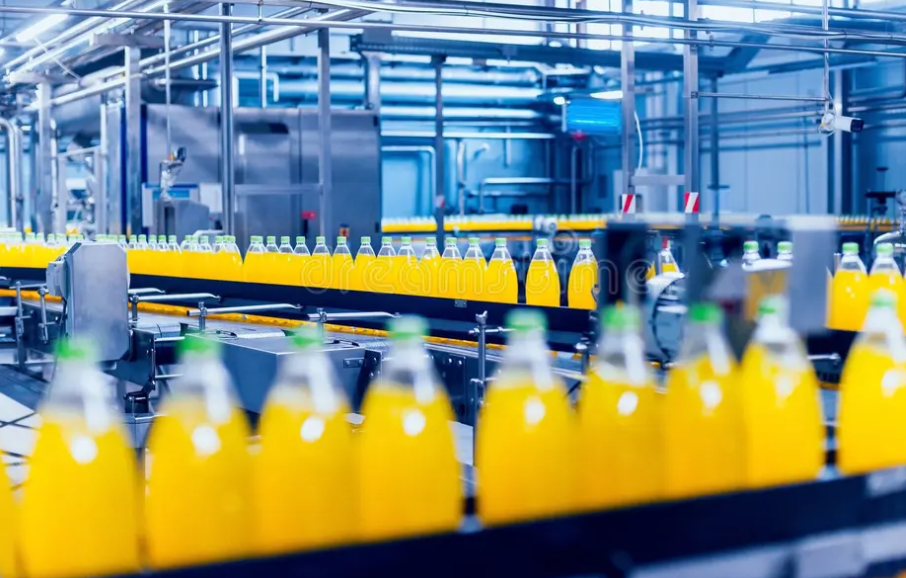
| Beverage Factory | Capacitive Position Sensor | Precisely control liquid levels in beverage production lines, reducing liquid waste and optimizing production efficiency. | The capacitive position sensor monitors liquid levels in beverage production lines, ensuring stable liquid flow and reducing waste. |
Maintenance and Calibration of Measurement Instruments
Regular maintenance and calibration are essential to ensuring that measurement instruments perform reliably over time. Maintenance includes:
- Cleaning sensor surfaces to prevent dirt and contamination from affecting measurement accuracy.
- Periodic calibration to ensure the precision of measurements.
- Checking electrical connections and output signals to ensure the sensors are functioning properly and avoiding malfunctions.
Through these practices, equipment reliability and lifespan can be significantly improved, and downtime due to malfunctions can be minimized.
Conclusion
Level, position, and pressure measurement instruments play a crucial role in water and wastewater treatment. They not only improve process efficiency and reduce energy consumption but also ensure compliance with discharge standards and guarantee the safe operation of equipment. By choosing the right measurement instruments and performing regular maintenance and calibration, companies can ensure the efficient and safe operation of systems, avoid production downtime, and achieve long-term cost savings and environmental benefits in the water treatment industry.
Reliable measurement instruments play a critical role in ensuring efficient and stable operation in water and wastewater treatment systems. From flow, level, and pressure monitoring to water quality analysis such as pH, chlorine, and conductivity, accurate data is essential for process control and regulatory compliance.
Modern instruments are designed to operate reliably even in challenging environments such as sewage, sludge, and chemically aggressive media, ensuring long-term performance and reduced maintenance.
If you are looking for suitable measurement instruments for your project, our team can provide professional selection support based on your specific application requirements.
📩 Email: info@antletstech.com
📱 WhatsApp: +86 132 7933 7527
We supply original products from leading global brands and support a wide range of industrial applications. Contact us today for technical advice or a fast quotation.