
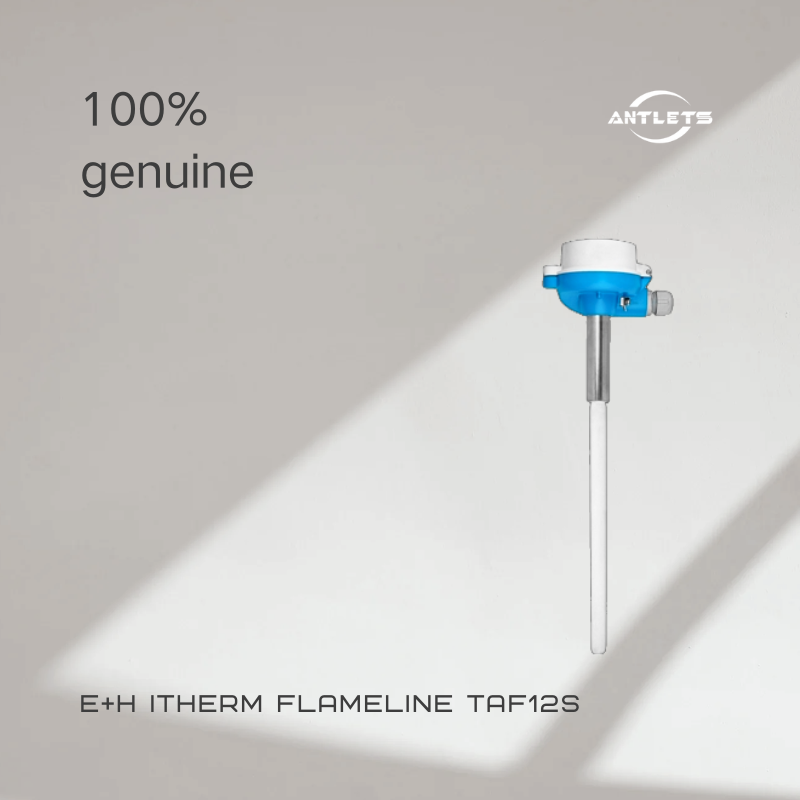
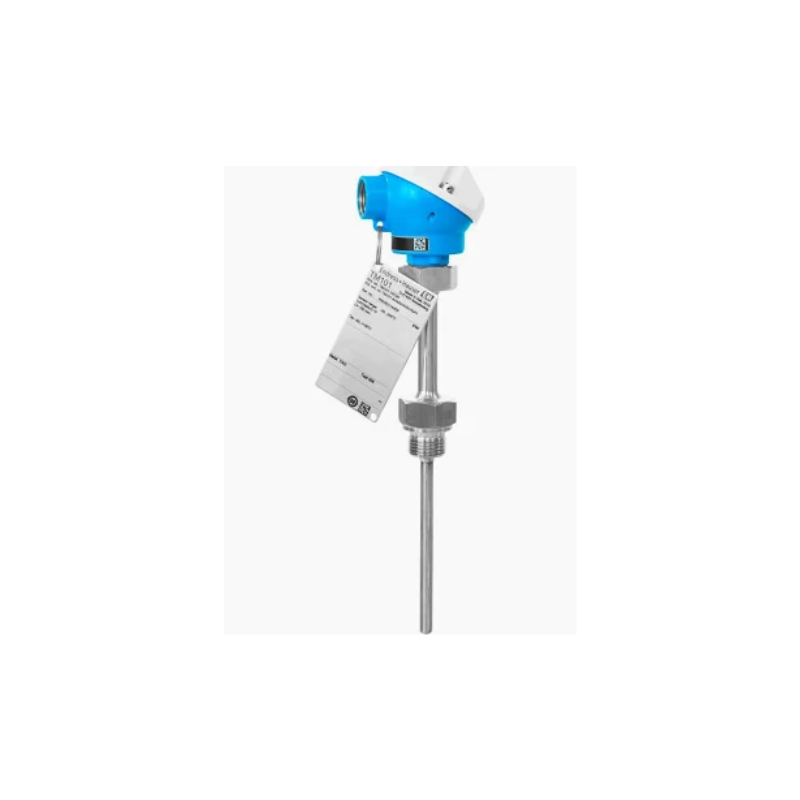
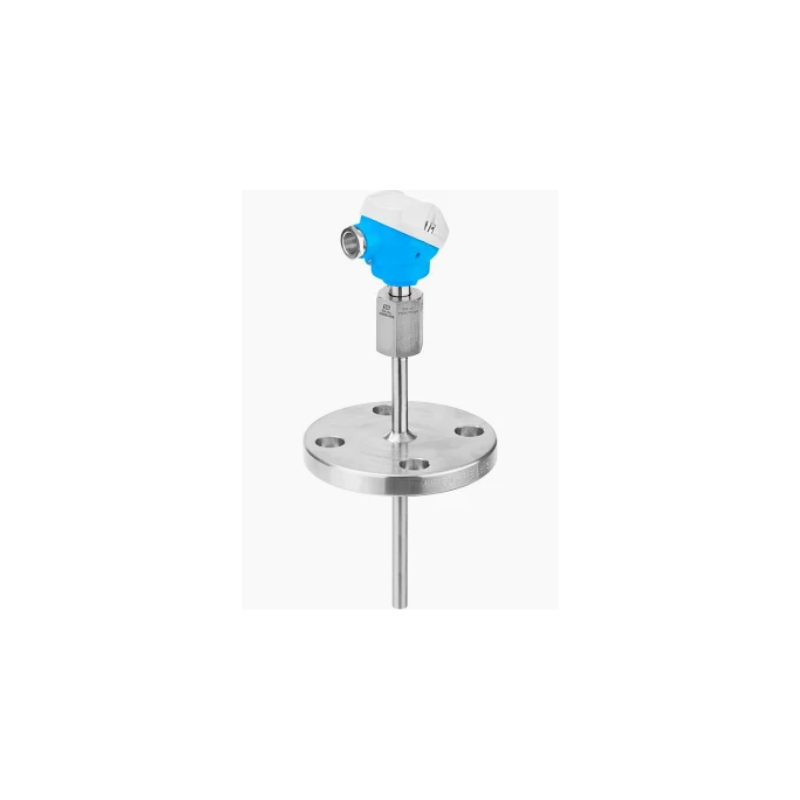
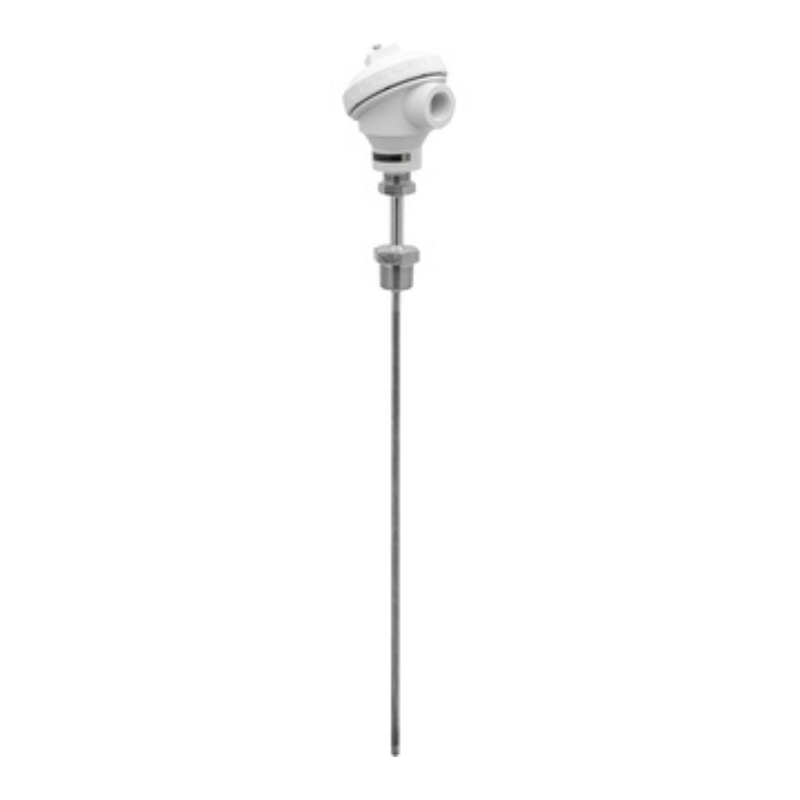
Endress+Hauser iTHERM FlameLine TAF12S High temperature thermometer
$360.00
The Endress+Hauser iTHERM FlameLine TAF12S is a heavy-duty high-temperature thermometer designed for furnaces, reactors, and combustion processes.
It is built for extreme heat conditions, where standard temperature sensors fail. Thanks to its robust thermowell design and high-temperature materials, it ensures stable and safe measurement in demanding environments.
👉 Typical use:
- Furnaces
- Heaters
- Reactors
- Incineration systems
👉 Not suitable for:
- Low-temperature or general-purpose measurement
When Should You Use TAF12S?
Choose this model if your application involves:
• Very high temperatures (e.g. > 800°C)
• Aggressive or high-velocity process environments
• Risk of sensor damage or failure
• Critical processes where temperature accuracy affects safety
If your process is standard or low temperature, this model is over-engineered.
What Makes It Different?
1. Designed for Extreme Temperatures
This thermometer is engineered to withstand very high process temperatures.
👉 It maintains accuracy where standard probes degrade quickly.
2. Heavy-Duty Thermowell Protection
The sensor is protected by a robust thermowell, which resists:
- Mechanical stress
- Corrosion
- Process flow impact
👉 This significantly extends service life.
3. Reliable Measurement in Combustion Processes
It performs well in furnaces and combustion environments, where conditions are unstable and harsh.
👉 Helps maintain process safety and efficiency.
4. Built for Industrial Safety
Temperature measurement in high-heat processes is critical.
👉 This model ensures stable, repeatable readings under extreme conditions.
Typical Applications
Industrial Furnaces
Monitor temperature to ensure stable heating and prevent overheating.
Chemical Reactors
Maintain precise temperature control in high-temperature reactions.
Waste Incineration Systems
Ensure safe combustion and regulatory compliance.
FAQ
Q: What temperature range can it handle?
A: It is designed for very high-temperature processes, typically in furnace and combustion applications.
Q: Why not use a standard thermometer?
A: Standard sensors cannot withstand extreme heat and harsh conditions, leading to frequent failure.
Q: Is a thermowell necessary?
A: Yes. In high-temperature environments, a thermowell protects the sensor and improves durability.
| Measuring principle | Thermocouple |
|---|---|
| Characteristic / Application | metric style |
| Thermowell / protection tube | ceramic protection tube |
| Insert / probe | ceramic capilarry, rigid |
| Outer diameter protection tube / Insert | 9,0 mm (0,35'') |
| Max. immersion length on request | up to 2.500,00 mm (98,43'') |
| Material protection tube/ thermowell | Ceramic (C610/C799) |
| Process connection | compression fitting: |
| Tip shape | straight |
| Operating temperature range | Type S: |
| Max. process pressure (static) | at 20 °C: 1 bar (15 psi) |
| Accuracy | class 2 acc. to IEC 60584 |
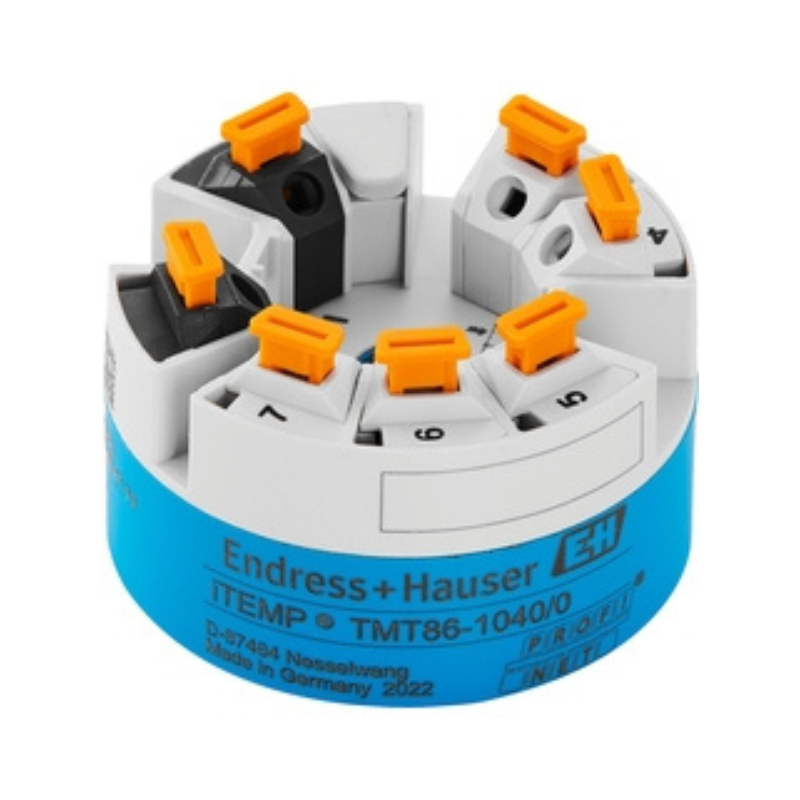
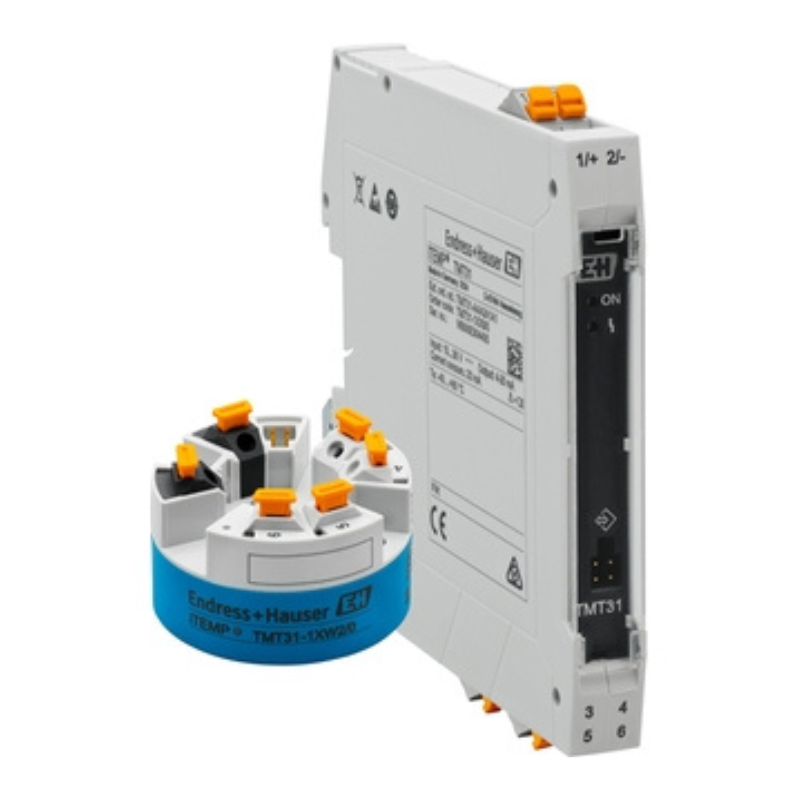
| Integration head transmitter | yes (4 … 20 mA; HART; PROFIBUS PA; FOUNDATION FIELDBUS) |
| Certification | SIL (transmitter only) |
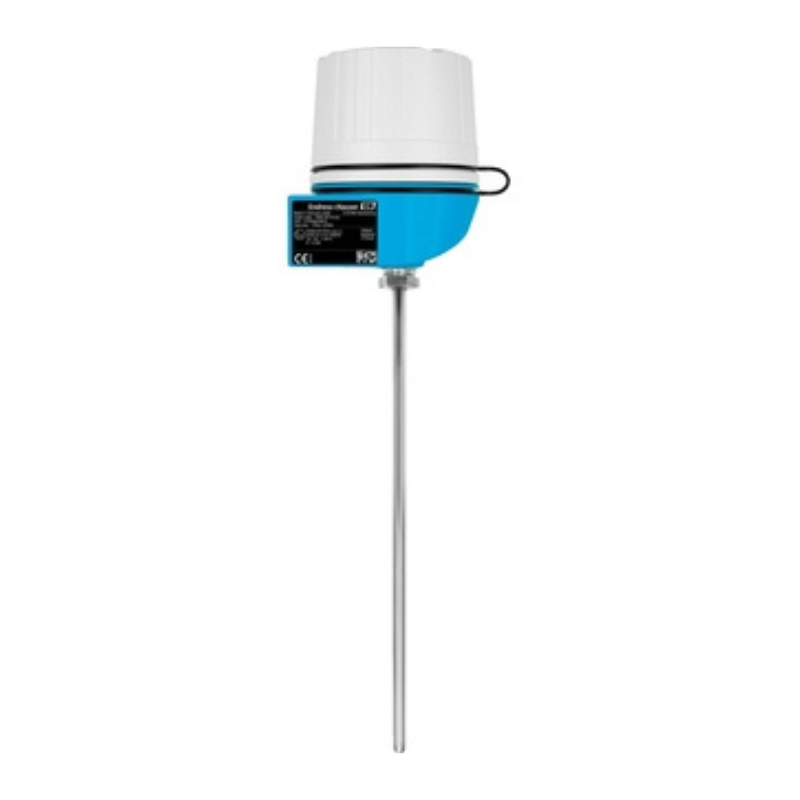
Reviews
There are no reviews yet.