
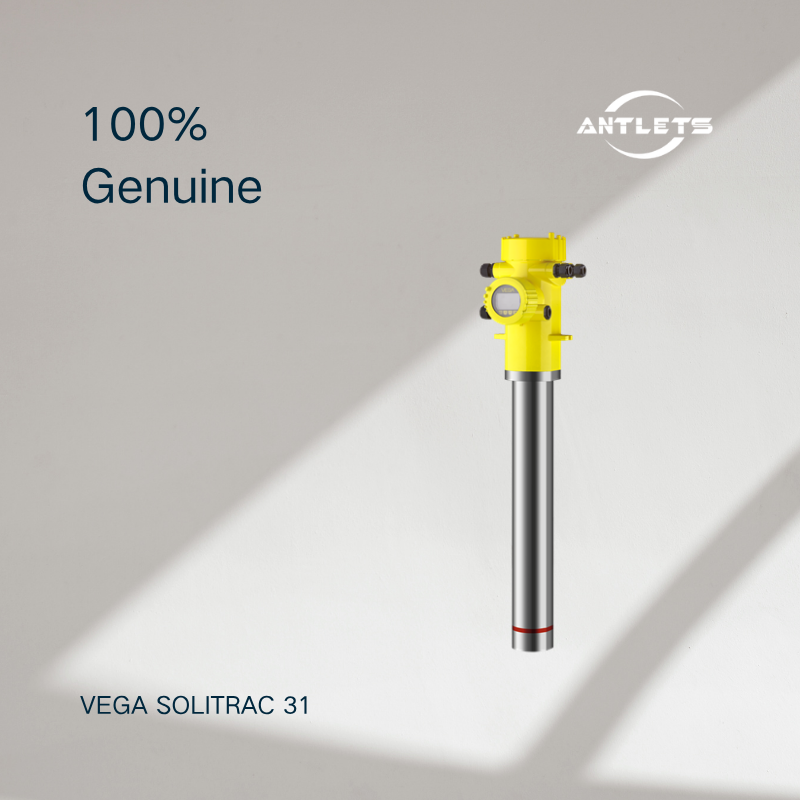
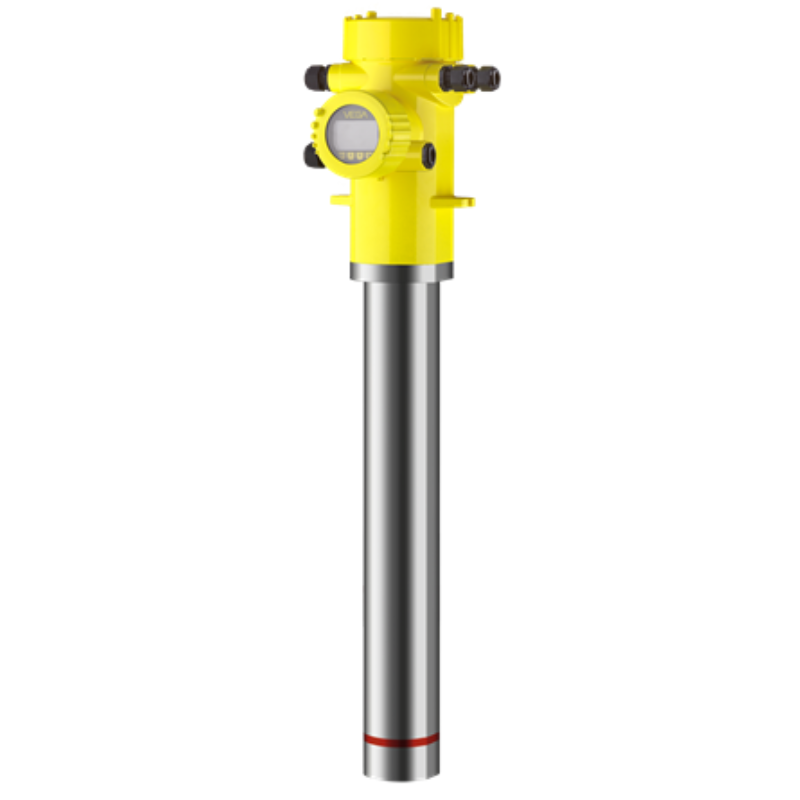
SOLITRAC 31 Radiometric sensor for continuous level measurement
$9,500.00
The SOLITRAC 31 Radiometric Sensor provides precise, continuous level measurement using radiometric technology. It is ideal for silos, tanks, and hoppers. The rod detector ensures accurate readings even in challenging conditions like extreme temperatures, pressure, and abrasive materials. This sensor is perfect for industries such as cement, chemicals, and mining, providing reliable continuous monitoring.
With its non-contact technology, the SOLITRAC 31 is excellent for measuring dense solids and bulk materials across a variety of material types, including those under high pressure and temperature conditions.
Not Recommended For:
• Liquids with low density or high foam
Product catalog Radiometric
Product information ProTrac
Specification sheet SOLITRAC 31
Supplementary instructions Water cooling – SOLITRAC 31, POINTRAC 31
Supplementary instructions Air cooling – SOLITRAC 31, POINTRAC 31
Selection Notes
• Material Type: The SOLITRAC 31 is designed for dense solids and bulk materials such as cement, coal, sand, and gravel. It is unsuitable for low-density or highly foaming liquids.
• Measurement Range: Ensure the measurement range is suitable for your application. The SOLITRAC 31 handles various material levels, but verifying the material height and environment will optimize sensor placement.
• Temperature and Pressure Conditions: The SOLITRAC 31 operates under extreme temperature and pressure conditions, making it ideal for use in cement plants, mining, and chemical manufacturing. Always confirm your process limits to ensure optimal performance.
• Installation Type: The rod detector is designed for direct bulk material measurement. Confirm the sensor’s installation position and mounting configuration are compatible with your system.
Why Choose the SOLITRAC 31
• Radiometric Technology for Accurate Measurement
The SOLITRAC 31 uses radiometric technology to provide accurate level measurements in silos, tanks, and hoppers. This non-contact technology ensures continuous and precise measurements, even in conditions where contact-based sensors fail due to vibrations, material buildup, or extreme environments.
• Rod Detector for Dense and Abrasive Materials
The rod detector is specifically designed to handle abrasive materials. It provides reliable measurements for dense solids like cement, coal, and sand. This feature makes it ideal for industrial applications with high-density materials and harsh conditions.
• High Resistance to Temperature and Pressure
The SOLITRAC 31 is engineered to function under high-pressure and high-temperature conditions, making it perfect for industries like cement, mining, and chemicals.
• Non-Contact Measurement
With radiometric sensing, the SOLITRAC 31 eliminates physical contact with the measured material. This reduces wear on the sensor, minimizes maintenance, and increases system uptime.
• Reliable Performance in Challenging Conditions
This sensor excels in applications where traditional sensors struggle due to dust, vibrations, or high temperatures. It delivers reliable, continuous level measurements, ensuring accurate data for process control.
FAQ
Q: What types of materials can the SOLITRAC 31 measure?
A: The SOLITRAC 31 is designed for dense solids and bulk materials, including cement, coal, sand, and gravel. It is unsuitable for low-density or highly foaming liquids.
Q: How does radiometric technology work in the SOLITRAC 31?
A: Radiometric technology uses a radioactive source and a detector to measure material levels. The sensor emits gamma rays, and the detector measures the absorbed radiation, providing accurate level readings in tanks, silos, and hoppers.
Q: What are the temperature and pressure limits for the SOLITRAC 31?
A: The SOLITRAC 31 is built to operate in extreme temperatures and pressures. However, verify the conditions for your application to ensure optimal performance.
Q: Can the SOLITRAC 31 be used in dusty or vibrating environments?
A: Yes, the SOLITRAC 31 is designed to operate in dusty environments and can withstand vibrations, where traditional level sensors might fail.
| Measuring range - Pressure | 7 m [Meter – Foot] |
|---|---|
| Accuracy | ± 0.5 % |
| Materials, wetted parts | No wetted material |
| Threaded connection | Mounting from outside via supplied mounting brackets |
| Seal material | no media contact |
| Housing material | Aluminium |
| Protection rating | IP66/IP67 |
| Output | Profibus PA |
| Ambient temperature | -20 … 50 °C |
| Scope | ATEX / Europe |
| Explosion protection | Intrinsic safety "i" |
| Overfill protection | WHG |
| SIL qualification | SIL2 |
| Adjustment | PLICSCOM |
| Indication | Display/adjustment module PLICSCOM |
Related products
-
Sale!
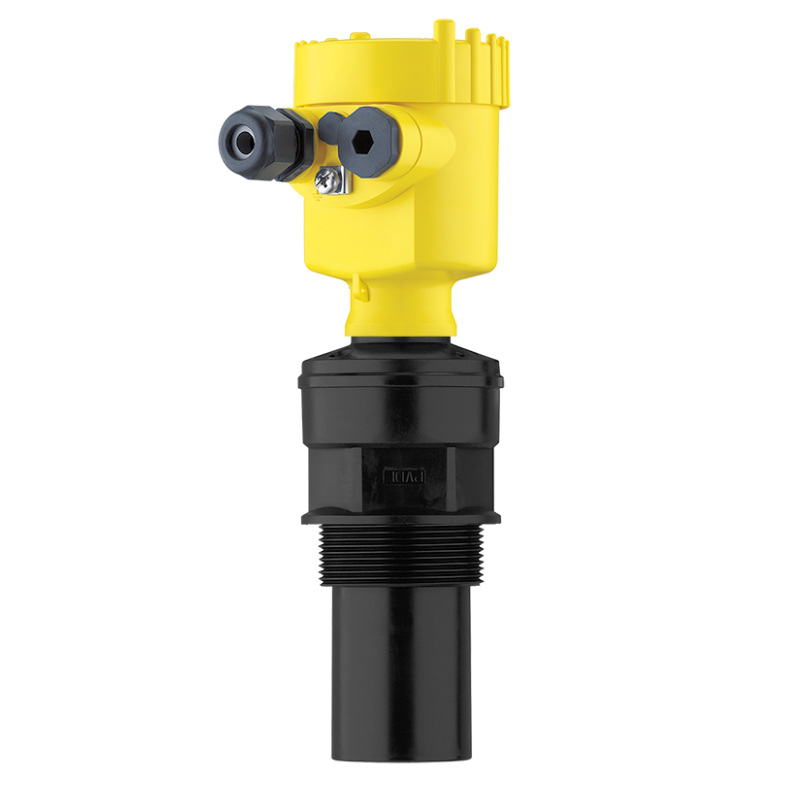
VEGAPULS 42 Compact radar sensor for continuous level measurement
Original price was: $500.00.$420.00Current price is: $420.00. Add to cart -
-
Sale!
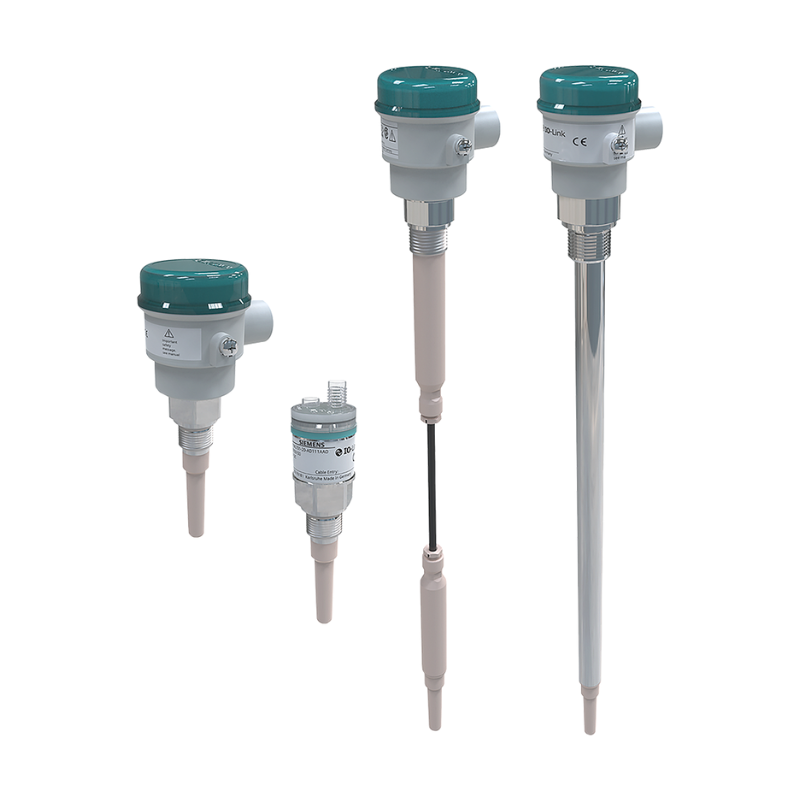
SIEMENS Level Measurement Capacitance point level switches – LCS100 7ML700/701/702/703
Original price was: $1,500.00.$1,350.00Current price is: $1,350.00. Add to cart -
Sale!
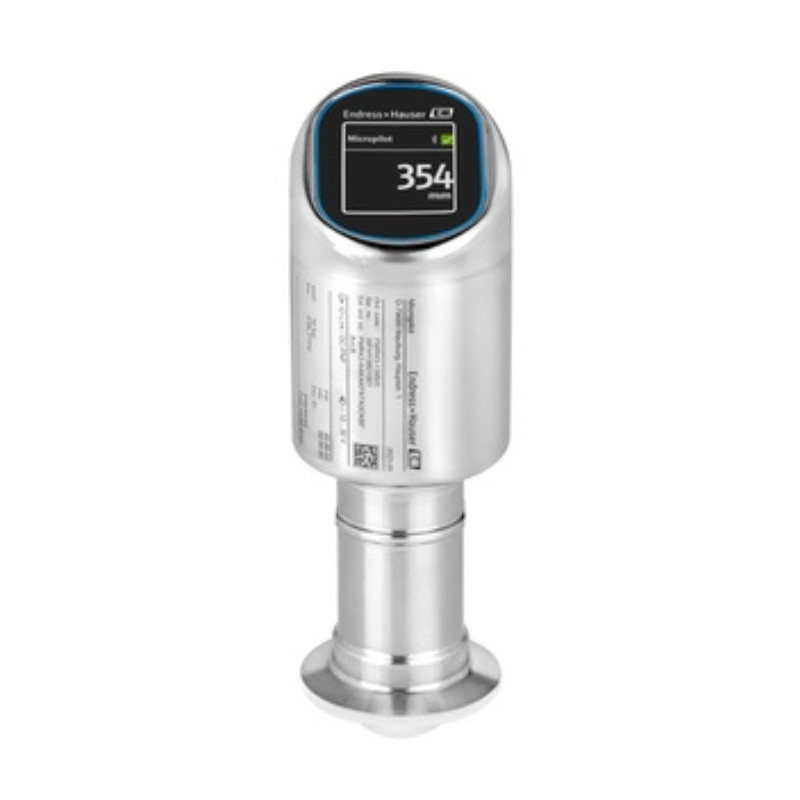
Micropilot FMR43 – radar sensor for hygienic processes
Original price was: $1,350.00.$1,220.00Current price is: $1,220.00. Add to cart
Reviews
There are no reviews yet.